Exploring material reuse in the Northern Rivers
Project
Research
Exhibition
Australia’s largest property buyback creates unprecedented conditions for circular economy policy development.
Following the devastating floods of the Northern Rivers during 2022, about 70,000 tonnes of flood-damaged materials (roughly 14,000 truckloads) were sent to landfill. Much of this material could have been saved; however, the urgent need for cleanup and the lack of a system for recovering discarded material made this impossible.
In the aftermath of the floods, many homes were significantly damaged - and perhaps more concerning – were still in the path of future floods. In response, the NSW Government implemented the Resilient Homes Program, a buy-back and resilient homes scheme for those in flood-prone areas (and now owns more than 800 flood-damaged homes).
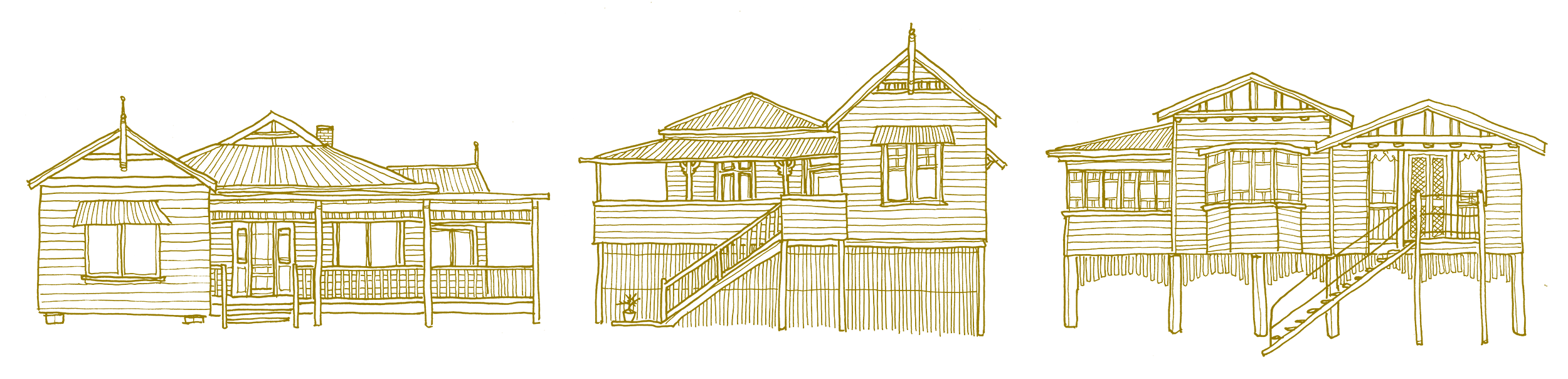
Circular Timber is a pilot project we led to test whether the valuable timber in houses facing demolition under the Resilient Homes Program could be recovered and reused, instead of low value recycling such as woodchipping and burning. We wanted to see what was possible, and to identify what would need to change for the approach to work at a larger scale.
Funded by the NSW Reconstruction Authority, with research delivered by the University of Technology Sydney (UTS), Circular Timber ran from April 2024 to June 2025. It tested a selective deconstruction approach, produced an exhibition of work by local makers, and delivered a research report whose three recommendations point a way forward for governments and industry across Australia.
Project summary report
We've created a summary of the pilot project. Download it now.
Full research report
The Northern Rivers Circular Timber pilot confirms that deconstruction and timber reuse can play a supportive role in advancing Australia’s transition to a circular economy.
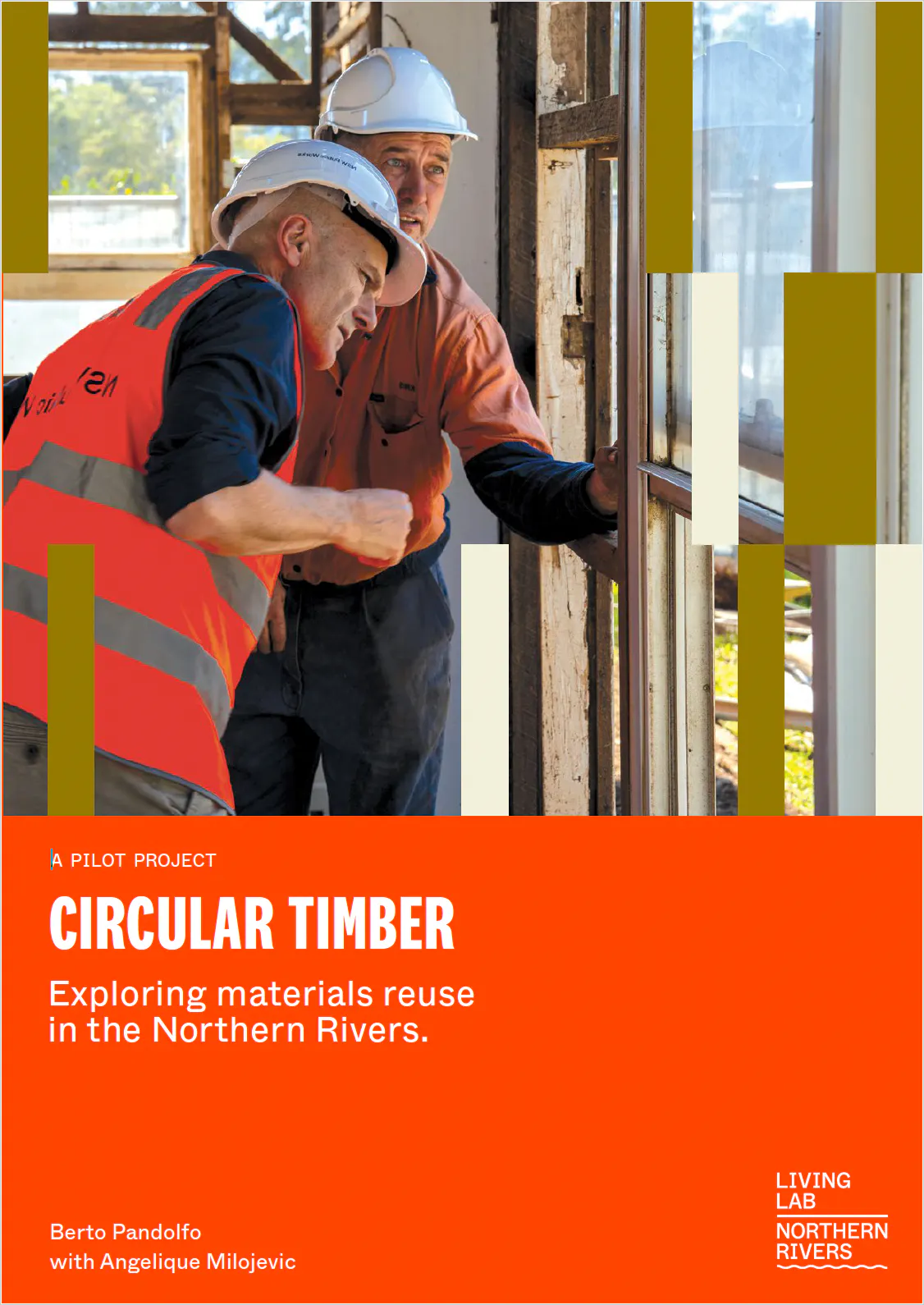
How it started
In August 2023, we convened a think tank to explore Waste and the Circular Economy in the context of disaster recovery and reconstruction. Together a group of local and national experts — from University of Technology Sydney (UTS), Southern Cross University, NSW Public Works, Business NSW and the NSW Reconstruction Authority — looked at how we best approach waste management and the development of circular economy approaches in the massive reconstruction efforts ahead.
The Circular Timber pilot project emerged from this initiative, addressing community concerns about old growth hardwood timbers in houses facing demolition under the Resilient Homes Program. These buildings, containing generations of local stories and irreplaceable hardwoods, deserved better than low value recycling.
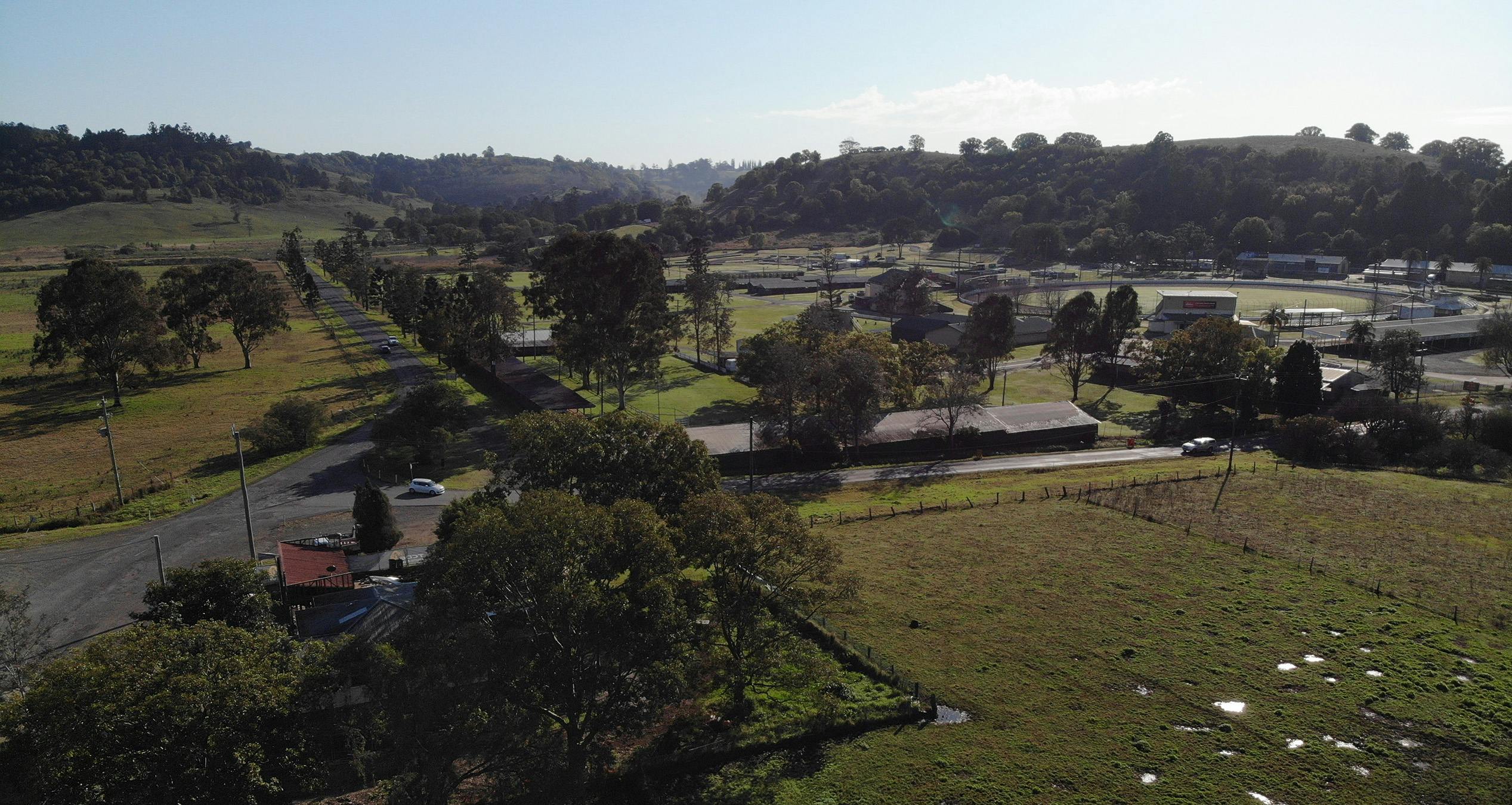
Location of the deconstructed houses in Tweed Street, North Lismore. Image by Kurt Petersen.
What the pilot found
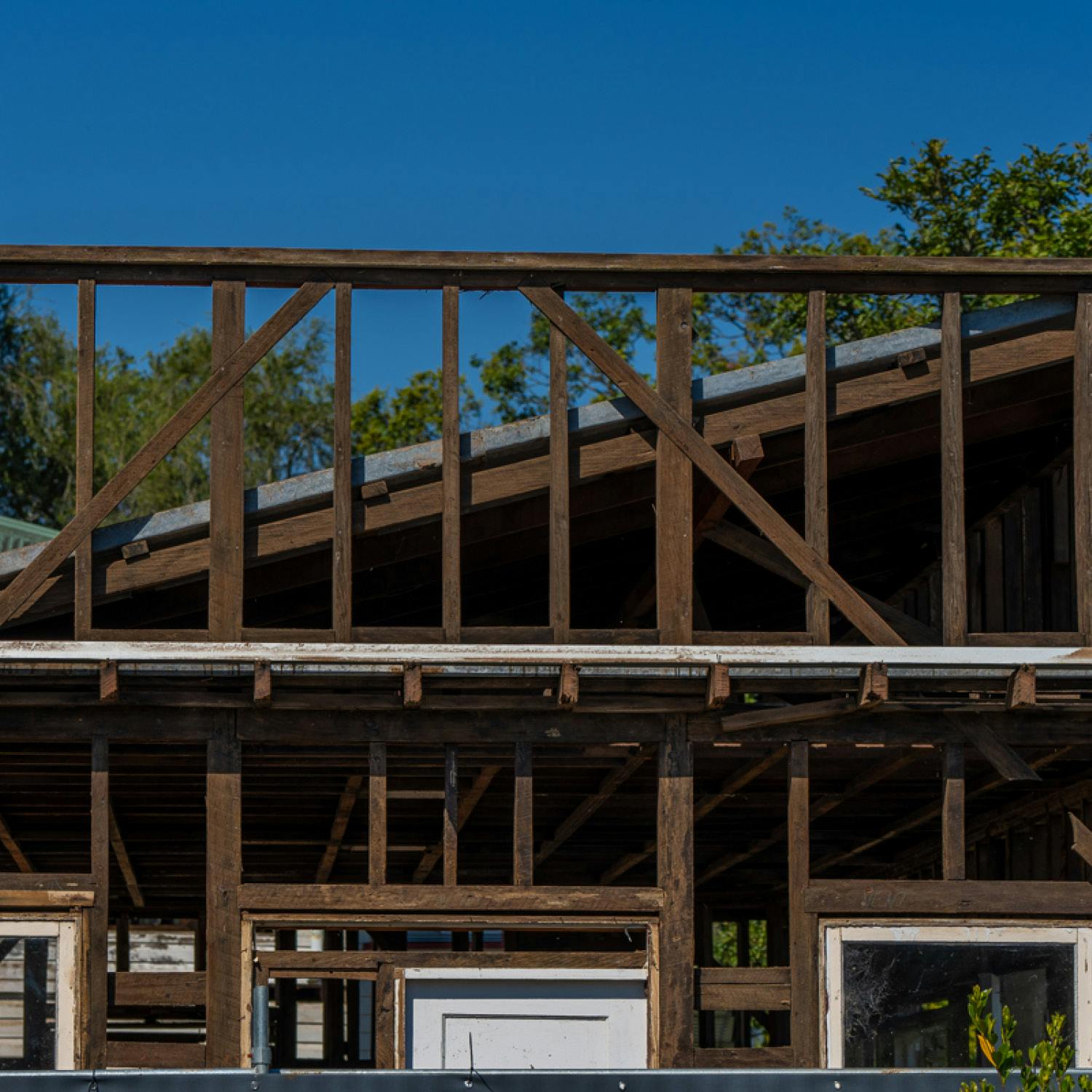
Working with the NSW Reconstruction Authority and their demolition contractor, TCDE, we selectively deconstructed two uninhabitable homes at 125 and 127 Tweed Street, North Lismore. Our target, of course, was the hardwood timber that was used for the structure, framing, flooring, walls, ceilings and exterior siding.
With Kris Gardner of Big Scrub Salvage on site, our researchers Berto Pandolfo and Angelique Milojevic identified premium hardwoods including ironbark, cedar, bloodwood, rosewood, teak, tallowwood and blackbutt. Many of these species came from the Big Scrub rainforest, which once covered 75,000 hectares between Lismore, Ballina and Byron Bay before being almost entirely cleared by the early 1900s – making them effectively impossible to source today.
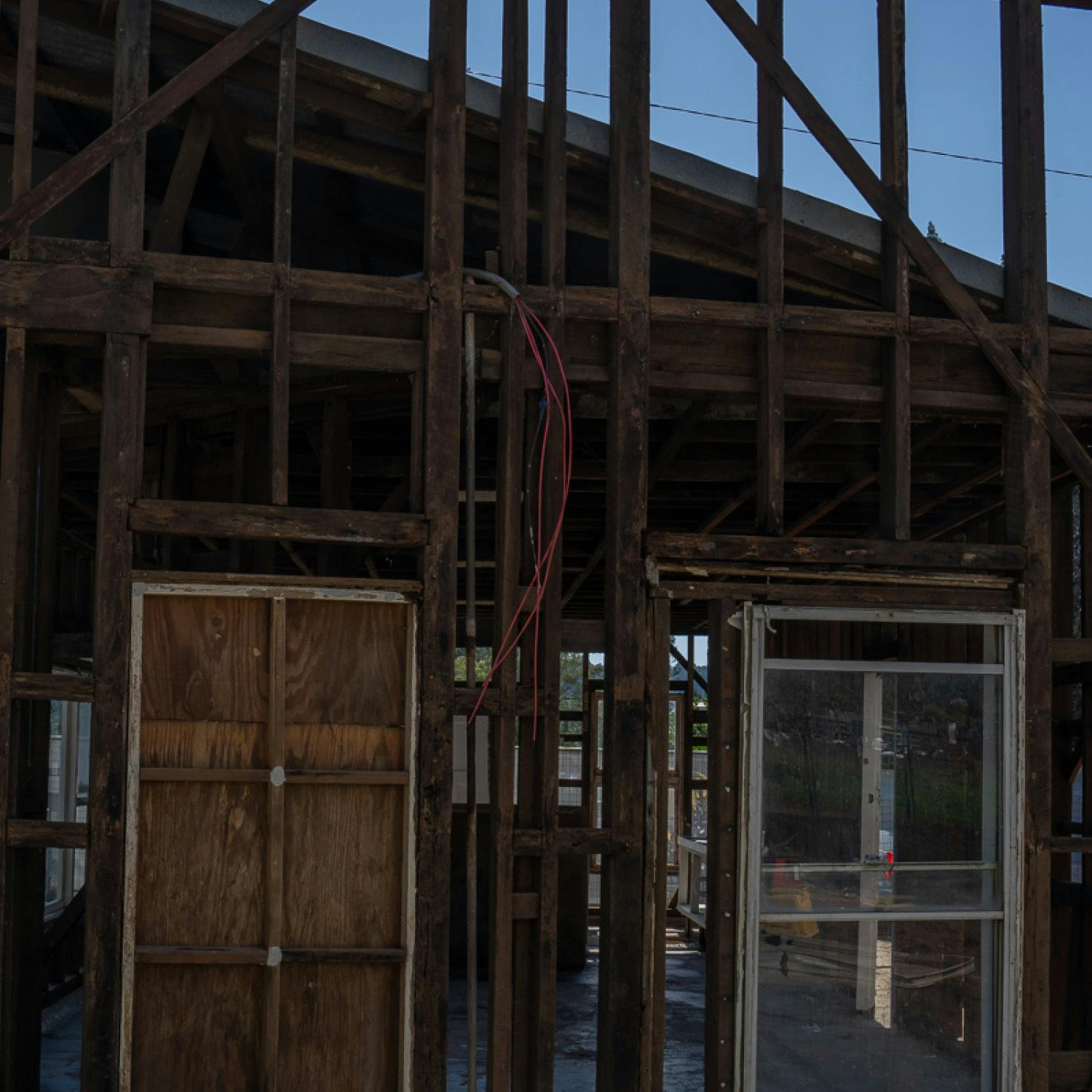
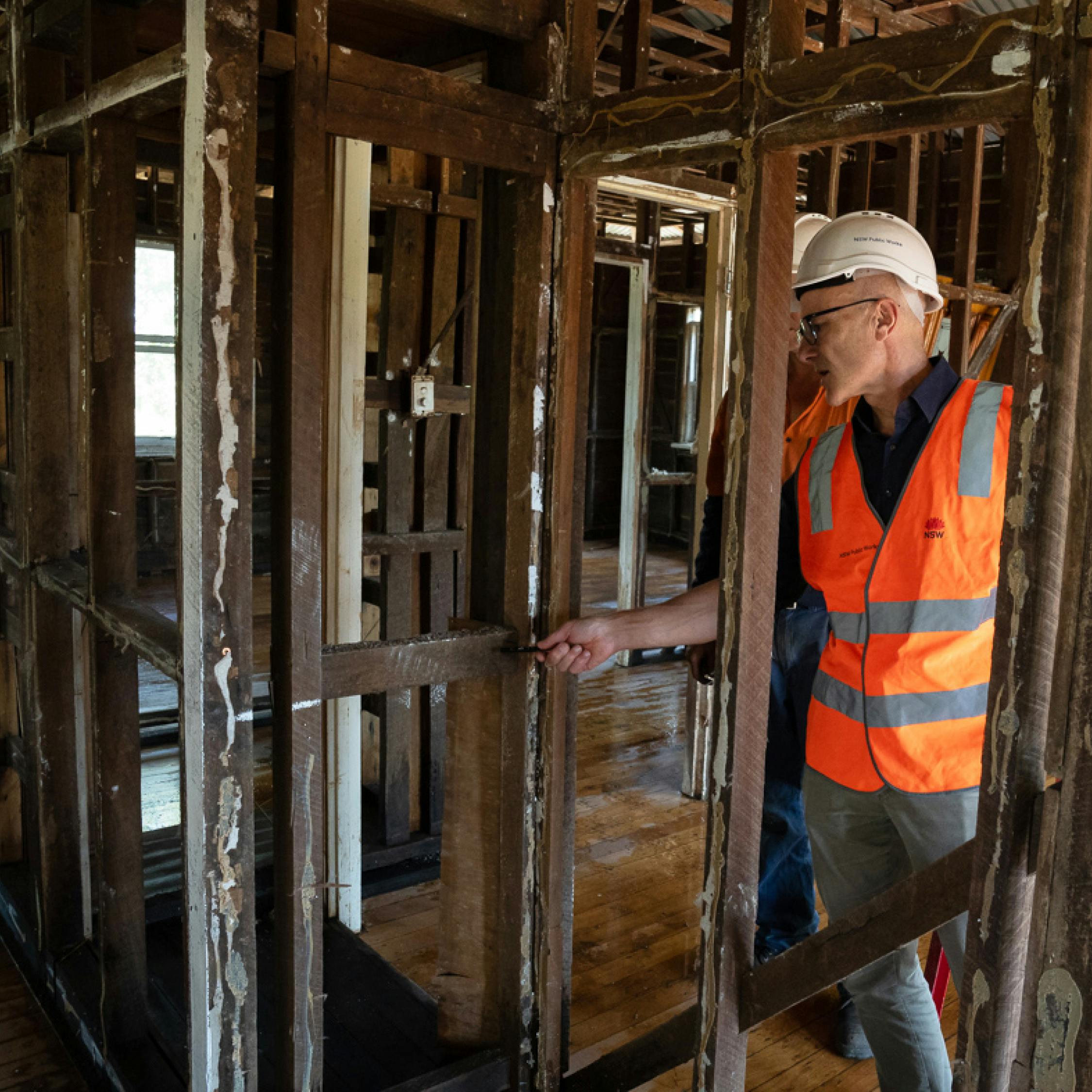
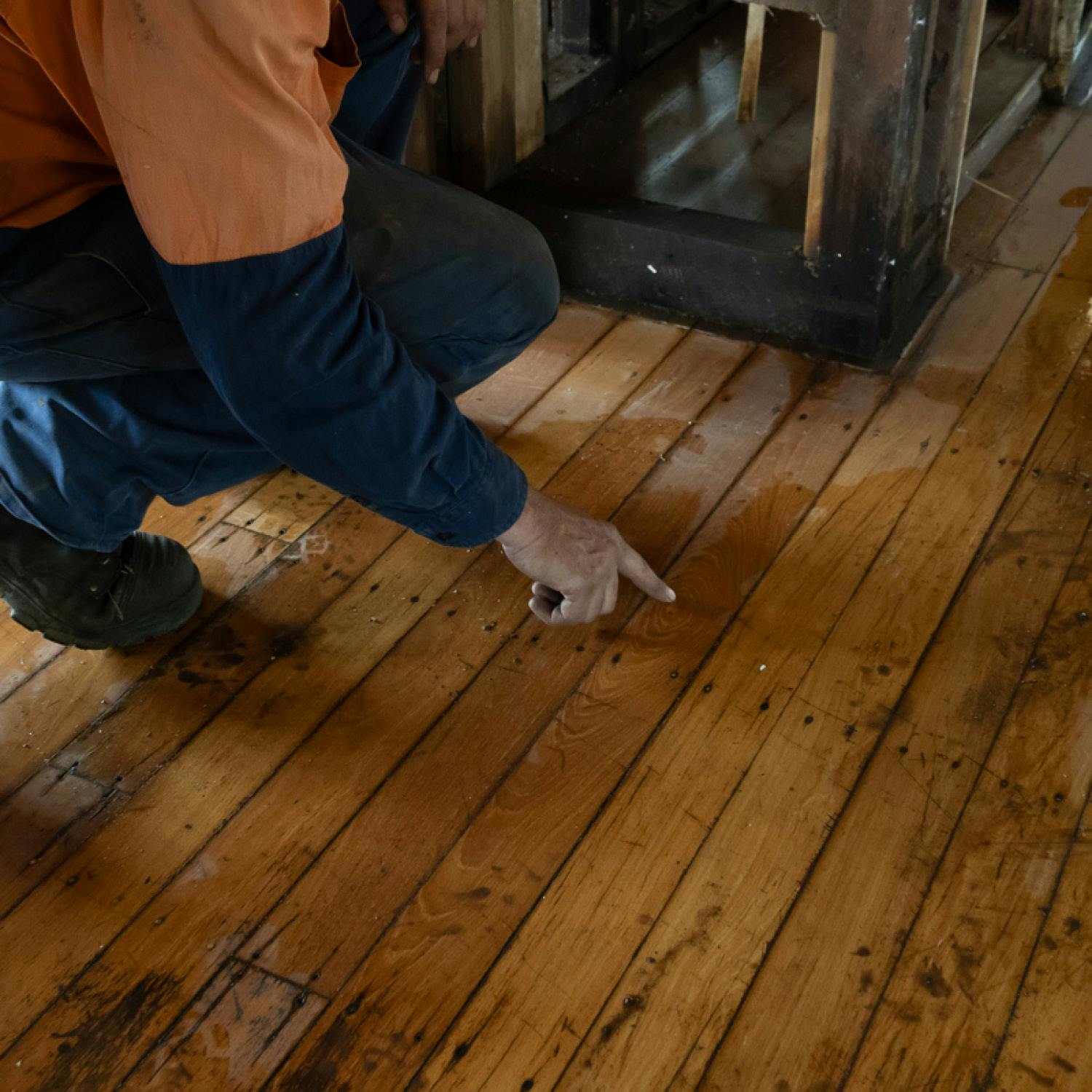
Below is a selection of images of these houses.
Images by Kurt Petersen.
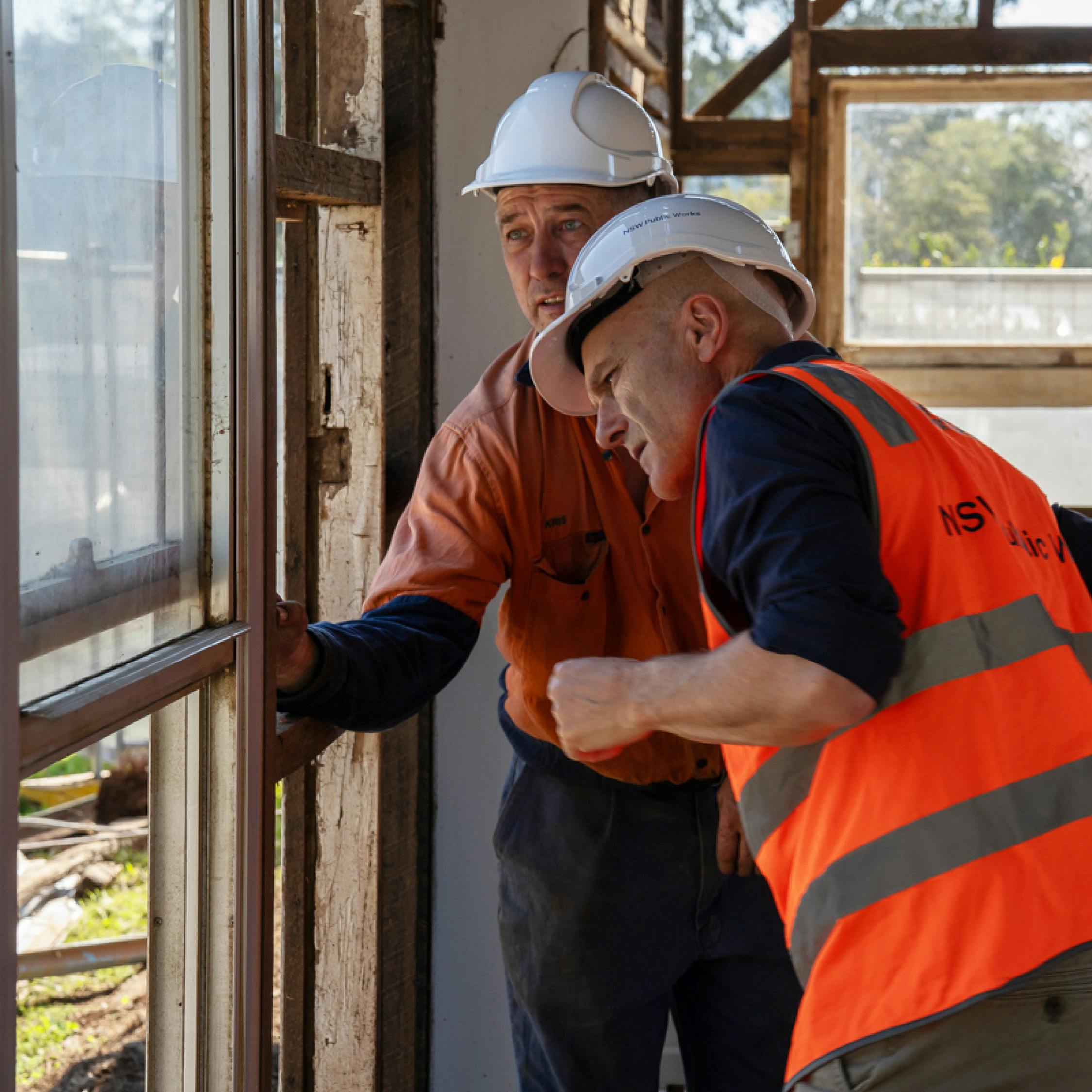
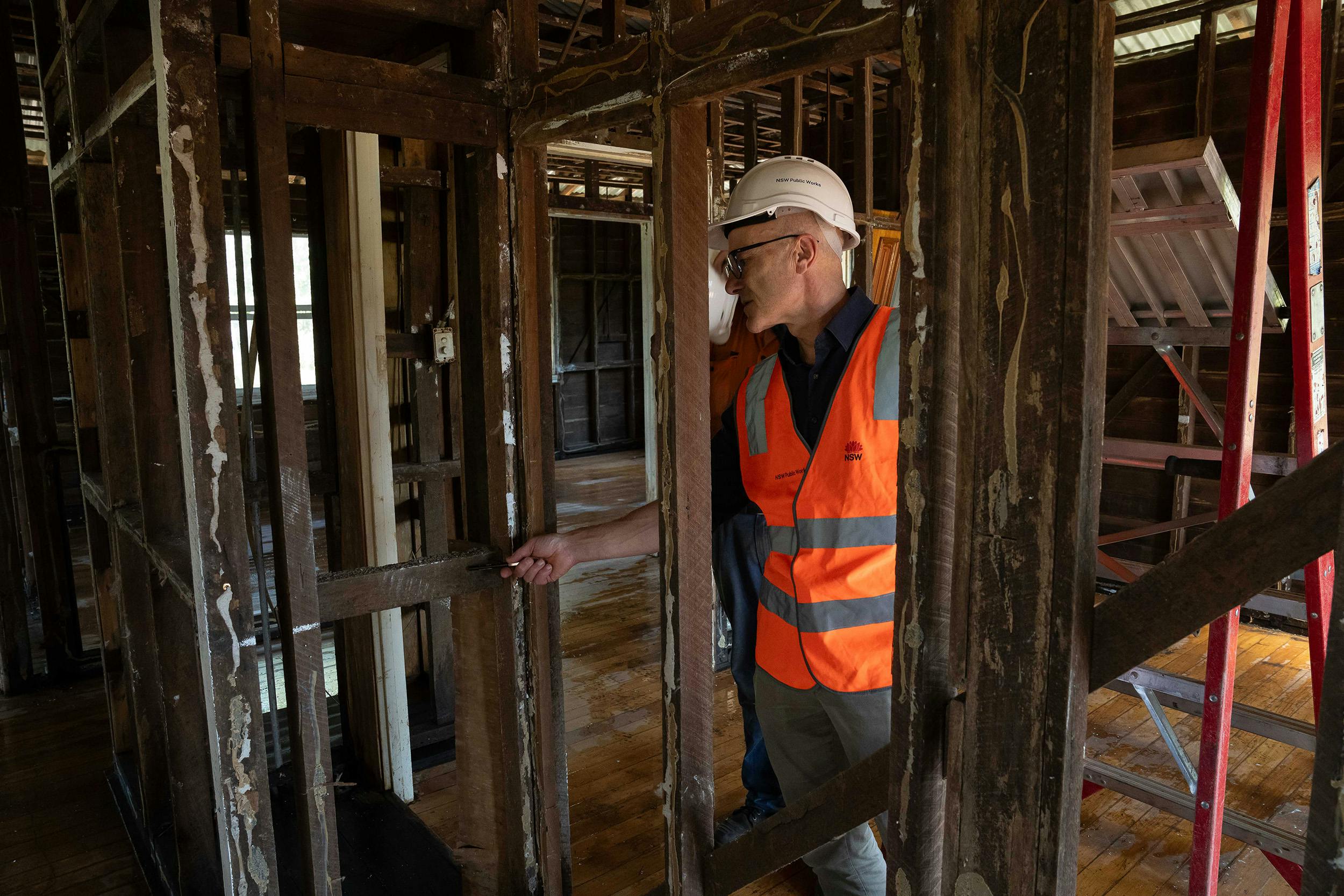
Kris Gardener and Berto Pandolfo inspecting timbers during the deconstruction process.
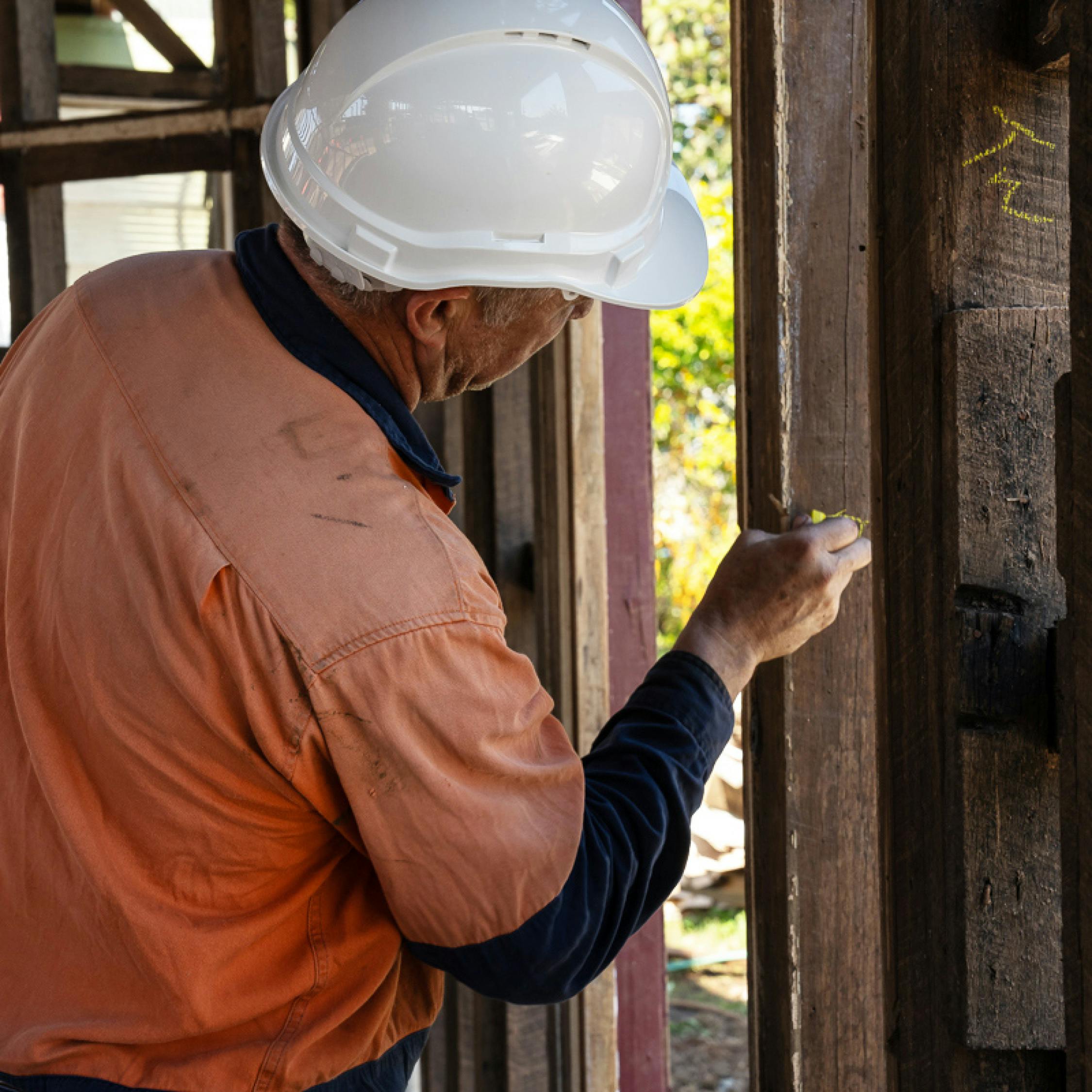
Hardwood timbers including Ironbark, Bloodwood, Rosewood, Teal, Tallowwood and Blackbutt were identified during the site visit.
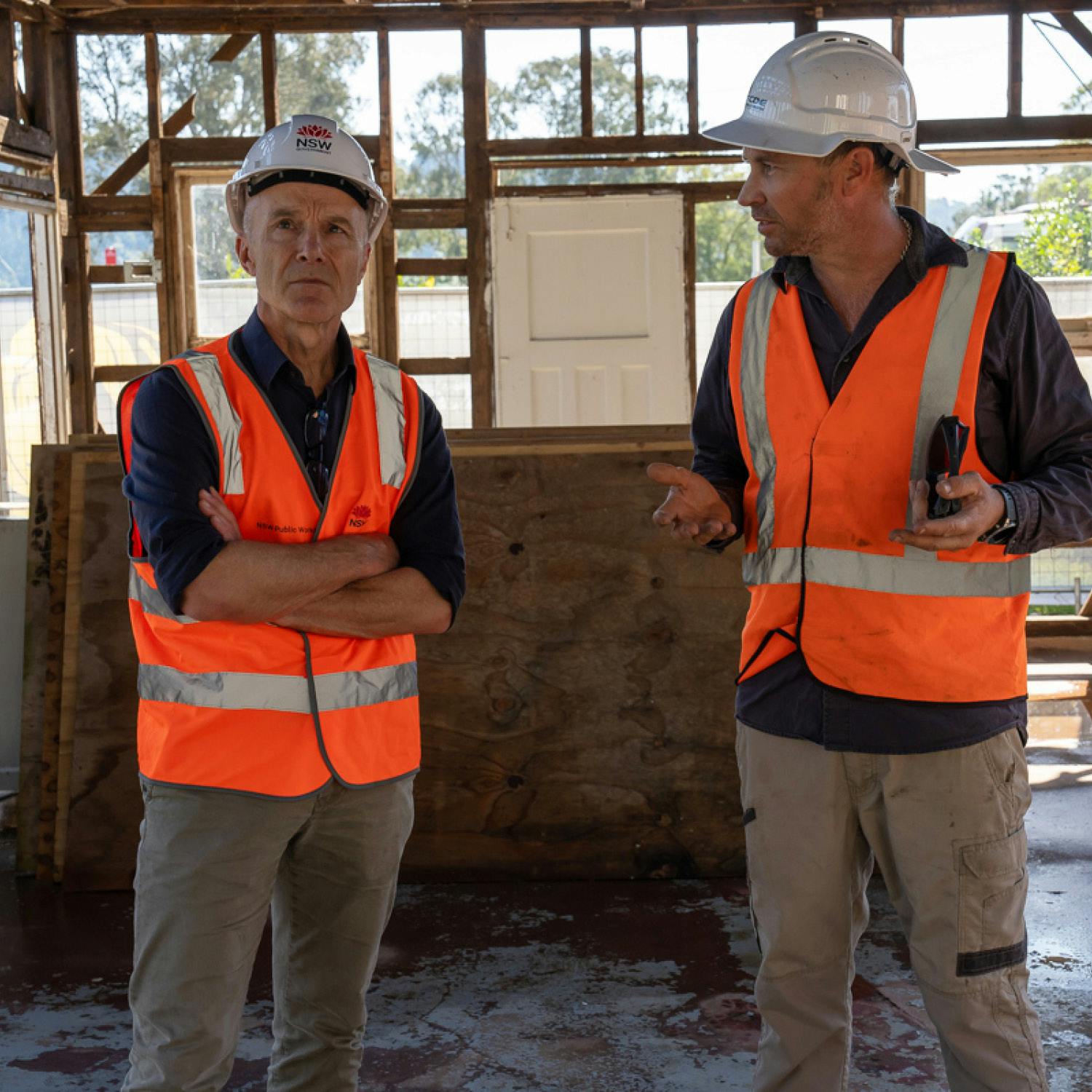
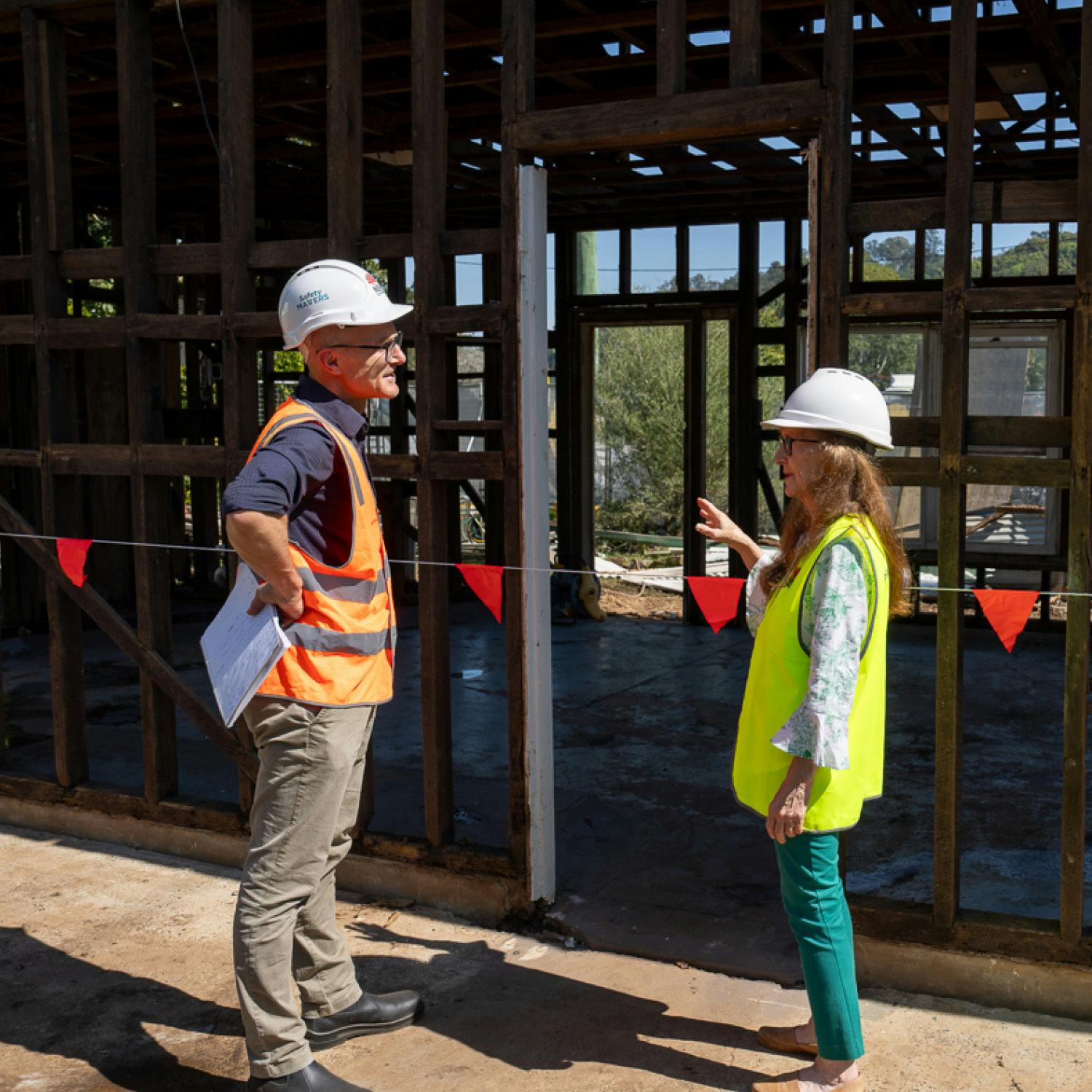
NSW Minister for Recovery Janelle Saffin, with UTS Researcher Berto Pandolfo, onsite at 125-127 Tweed Street North Lismore.
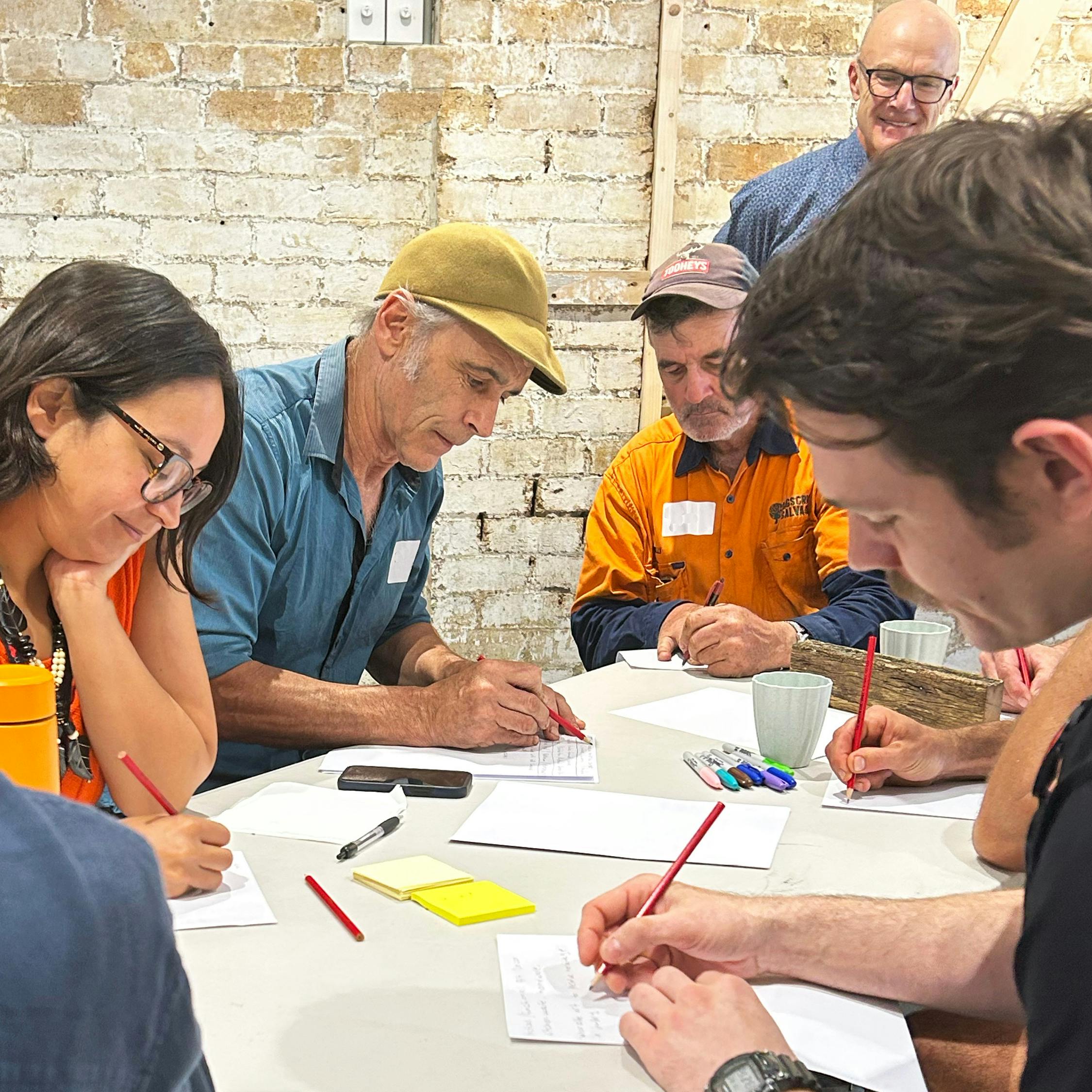
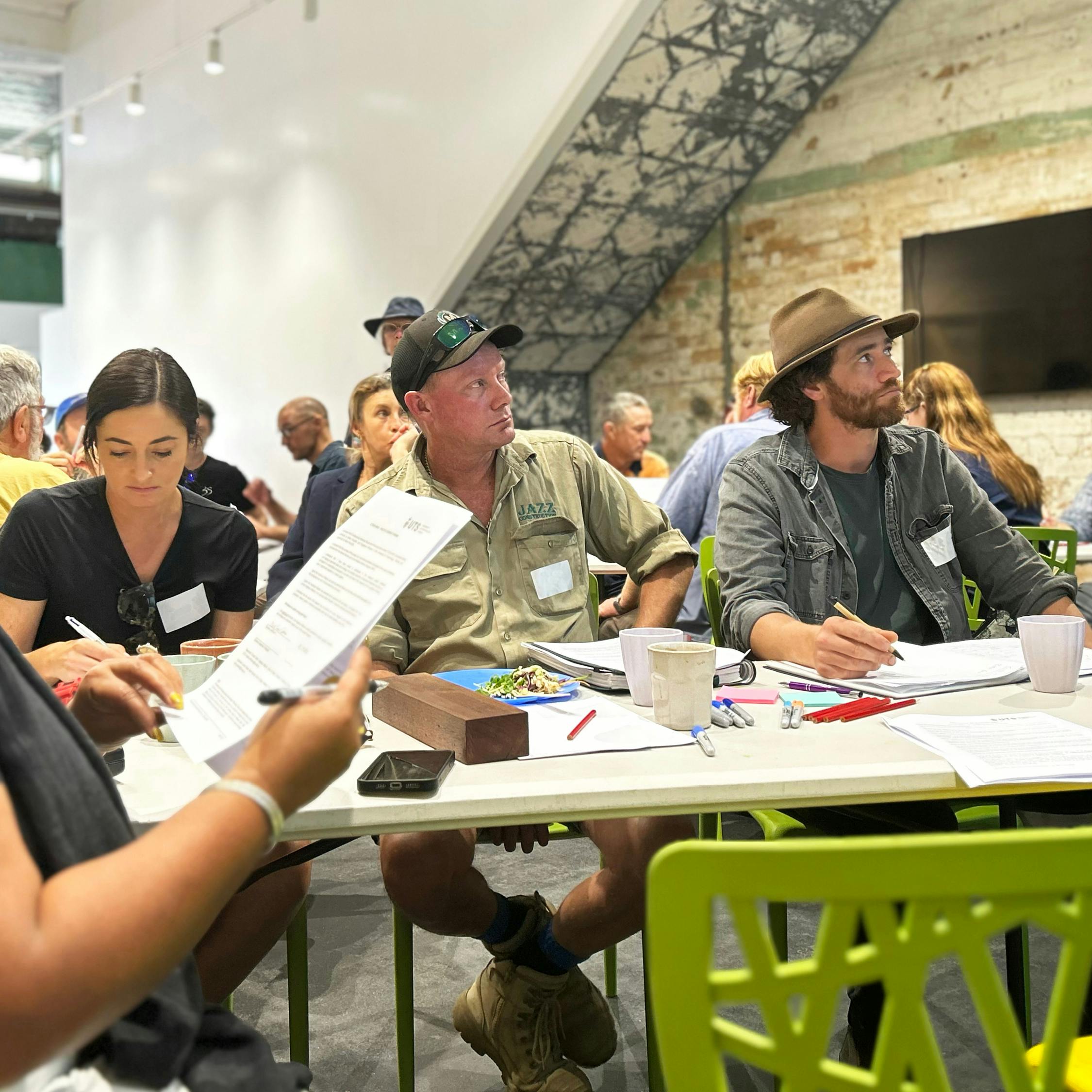
In August 2024, we held a co-design workshop with local timber suppliers, makers, builders, architects, artists and business owners. Together they shared ideas, challenges and feasibility of using reclaimed timber from buyback homes to create new objects.
Images by Living Lab Northern Rivers.
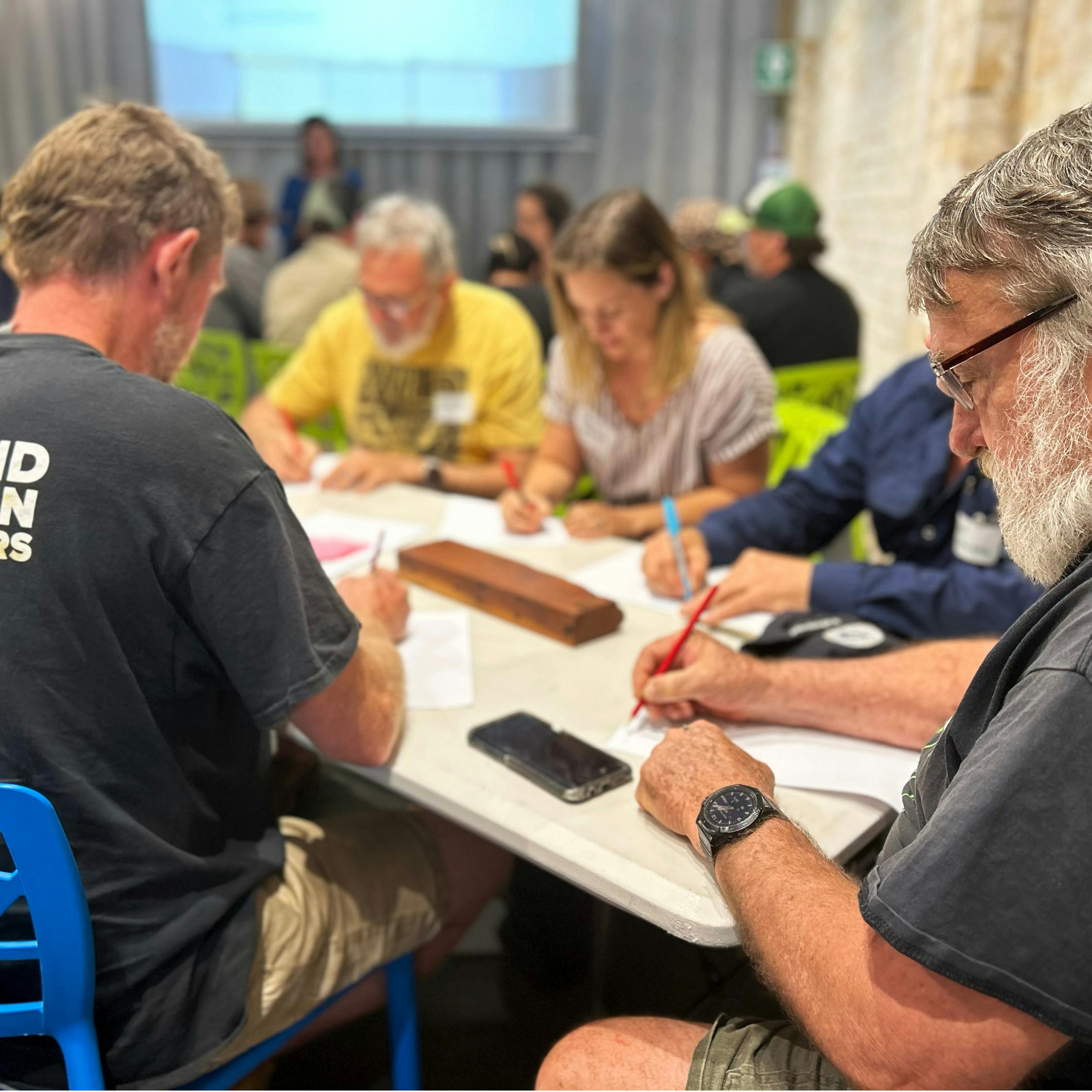
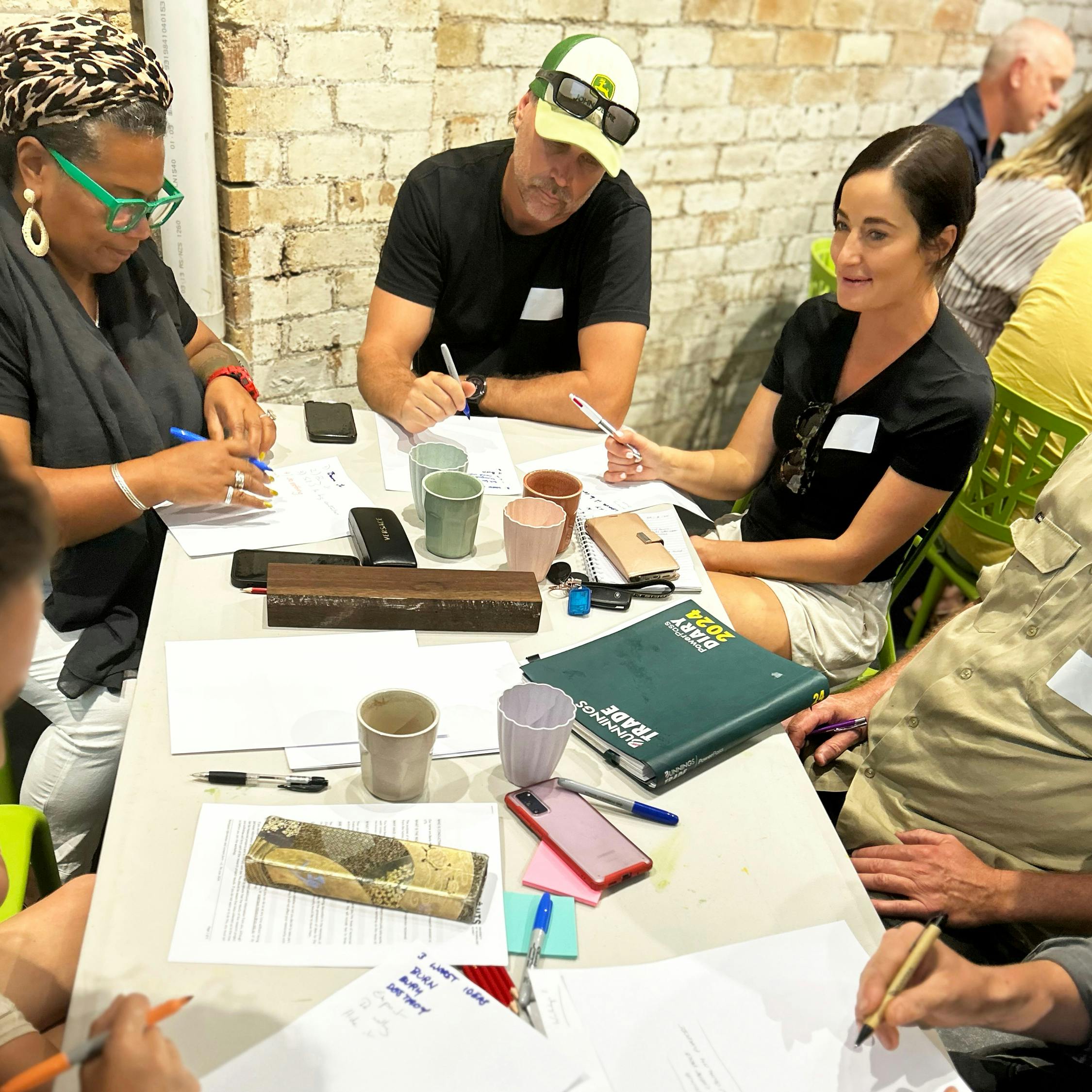
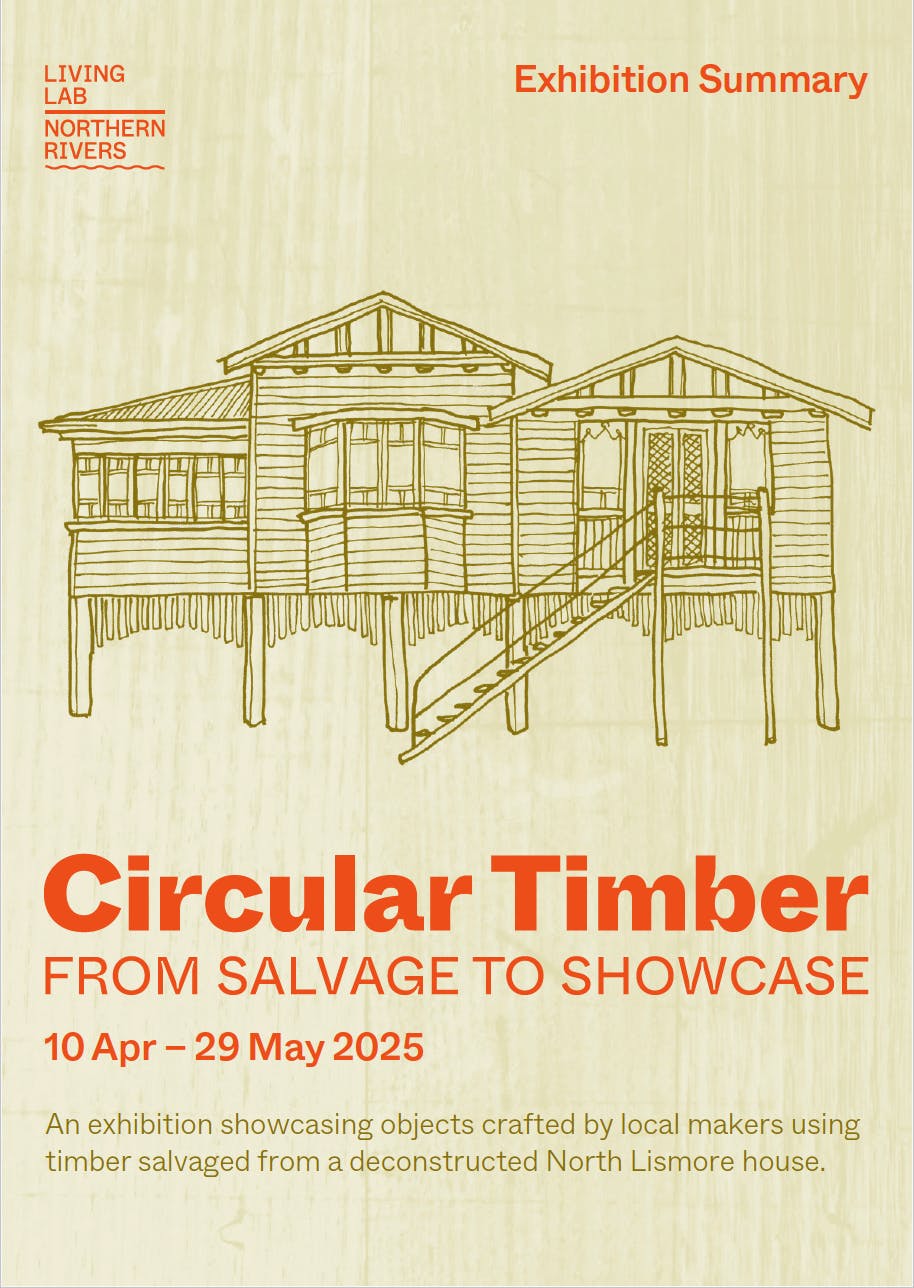
Following this 16 local makers crafted more than 50 objects using salvaged wood from the two North Lismore buyback properties. Together these objects formed an exhibition Circular Timber: From Salvage to Showcase, open to the public at our shopfront on Woodlark Street, Lismore, from 10 April to 29 May 2025.
Exhibition summary
We've created a summary so you can explore our showcase of crafted timber objects, recommendations from the Circular Timber pilot project, and real-world case studies.
What we found
The pilot proved that selective deconstruction can recover high-value materials, reduce waste and create local work. It also showed why deconstruction isn't yet standard practice. Without national guidelines, dedicated material recovery facilities, or an agreed way to compare costs against conventional demolition, the approach is difficult to contract at scale – especially within the timeframes and budgets of a major recovery program. The capability and the will are already here. What's missing is the supporting framework around them.
What the report recommends
Our report sets out three recommendations to close that gap:
Deconstruction guidelines.
Australia has well-established standards for demolition, but nothing equivalent for deconstruction. Clear, practical guidelines would give councils, contractors and governments a shared way of working.
Material recovery infrastructure.
A facility to process, store and resell recovered materials would make deconstruction viable. Over time, it could grow into a regional hub for circular manufacturing and local jobs.
A clear way to weigh the value of reuse.
Deconstruction is often assumed to cost more than demolition, yet that assumption has rarely been properly tested. A framework for comparing the real costs and benefits would help decision-makers see the full picture.
Why this matters nationally
Australia’s construction and demolition sector is forecast to generate around 42 million tonnes of material by 2030. Current waste systems already do a good job of diverting material from landfill through recycling such as woodchipping. The pilot tested whether we could go one step further up the waste hierarchy — from recycling to reuse — which keeps more of each piece of timber whole and useful. International research cited in the report indicates careful deconstruction can save an average of 7.6 tonnes of CO₂-equivalent per home, and that deconstruction programs overseas support several times more jobs than conventional demolition.
“Demolition is fast, but it treats century-old hardwood the same as rubble,” said Associate Professor Berto Pandolfo, the project lead from UTS. “This pilot showed that with care, timber can be recovered intact and re-made into things people value. What’s missing isn’t capability or community will — it’s the guidelines, infrastructure and assessment tools that would let deconstruction operate at scale.”
What's next
Circular Timber tested the economic and environmental case for recovering this timber. The next question is what these materials mean culturally – and what custodianship of them might look like.
Living Lab Northern Rivers and the NSW Reconstruction Authority are now supporting Jagun Alliance, an Aboriginal-led not-for-profit, to assess flood-affected homes for culturally significant timbers and develop a custodianship framework so these materials return to community in ways that reflect their cultural and environmental value. The work will also generate scientific and practical knowledge about endemic timber species – knowledge that can inform land-use planning and revegetation across the Northern Rivers for years to come.
'Many of these timbers are culturally significant species that reflect our cultural landscapes,' says Oli Costello, Executive Director of Jagun Alliance. 'They were once ancient forests as far as the eye could see, cared for by our elders of this place. They hold ancestral memories of kinship and custodianship that could help us.'
Research team
Berto Pandolfo
Berto is an industrial design academic and practitioner. His research spans the meaning and complexity associated with objects and how objects are made, the strategic value of design-led innovation for manufacturing SMEs, and the use of materials and processes towards a more sustainable object-making practice. He has a particular interest in local and small batch production. Berto has contributed to numerous research-based, university-industry collaborations that have delivered high quality design solutions back into industry.
Angelique Milojevic
Angelique is a multidisciplinary designer with over 20 years of experience in diverse design modalities such as web design, architecture, business design and consulting, and strategic design. Her career includes working on multimillion-dollar projects for government initiatives, property developers, and renowned architects, collaborating with diverse teams and stakeholders. Additionally, she is a published author, featuring interviews with prominent Australian entrepreneurs.
Angelique holds a Master of Design, Gradate Diploma in Design Science, Bachelor of Design (Product Design) and Diploma of Innovation.