Not Business As Usual
PROJECT
SHORT FILMS
Developing flood resilience in Lismore's CBD
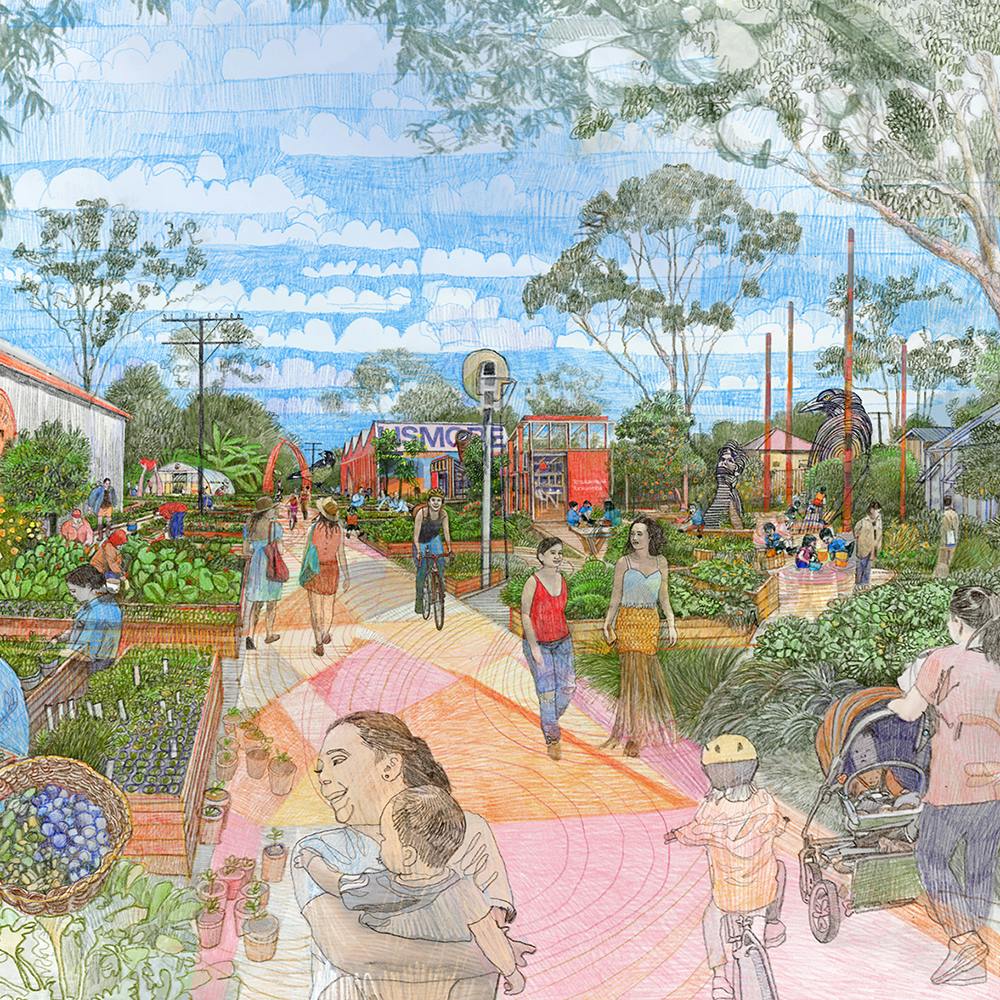
Lismore’s businesses and community service providers have demonstrated remarkable resilience, creativity, and innovation. After the 2022 floods devastated Lismore's CBD, businesses couldn't wait for long-term planning decisions or infrastructure investment. They developed their own strategies for preparing, evacuating, maintaining operations, and recovering quickly. The (Not) Business As Usual project documents this community-led innovation and identifies where businesses still need government support for shared infrastructure.
Through our (Not) Business As Usual project we've identified three resilience strategies businesses are pursuing and six recommendations that combine what businesses can do themselves with the infrastructure investments they need from government.
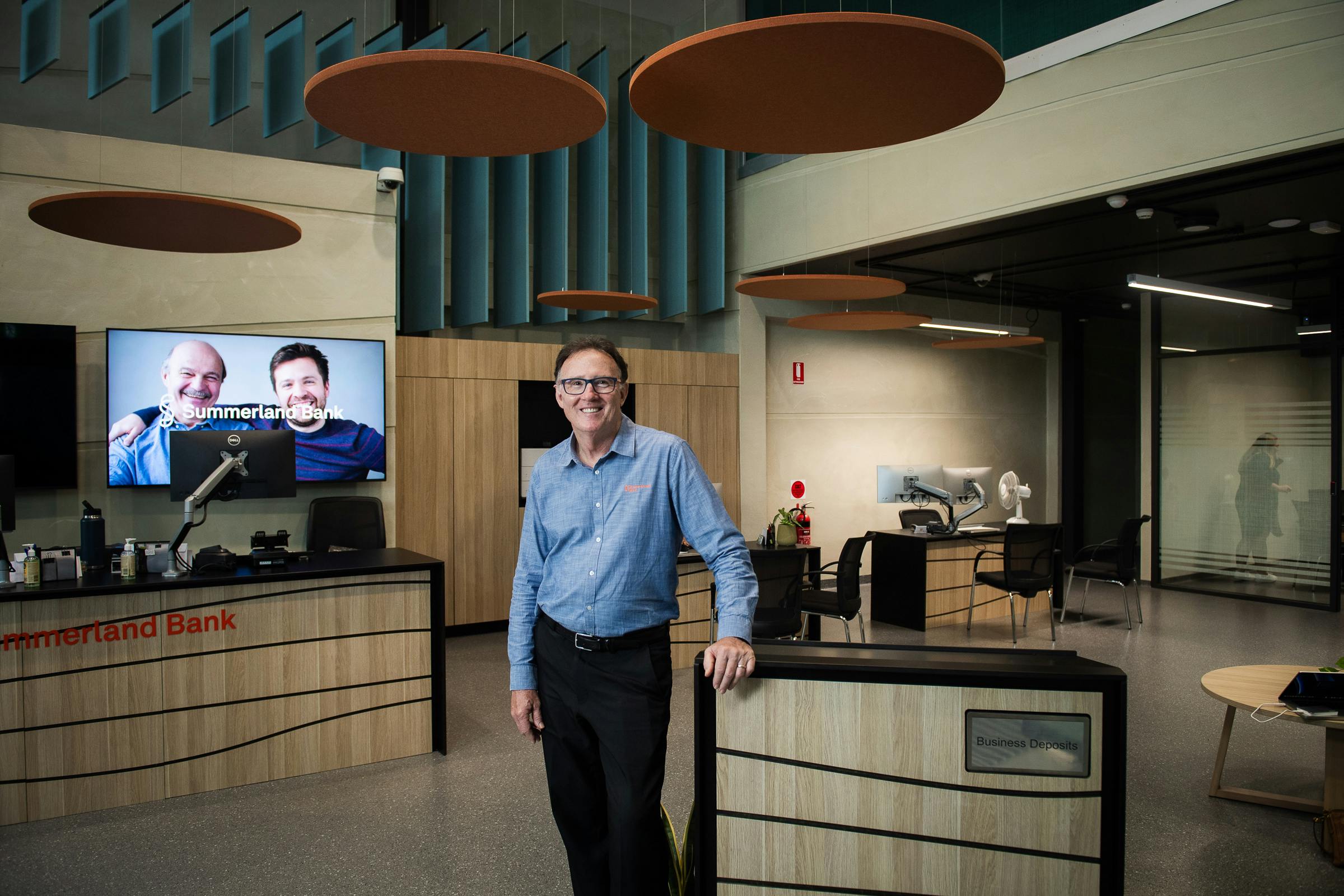
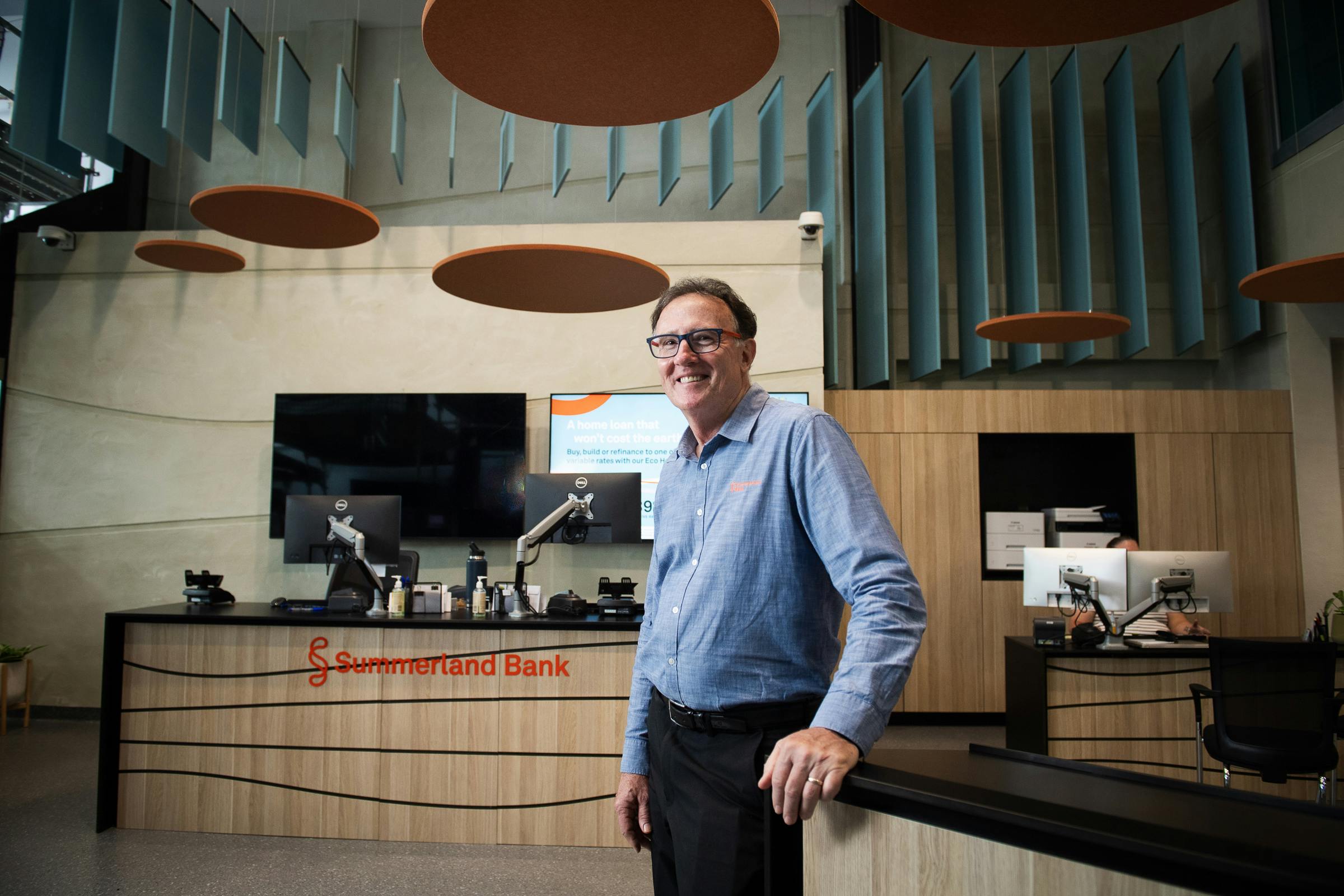
Summerland Bank in Molesworth Street Lismore, retrofitted and flood-resilient following the 2022 floods. Photo by Elise Derwin.
Three resilience strategies
Mobility
Mobility strategies is where we've seen the most innovation—systems for evacuating quickly and returning fast.
Flexibility
For most businesses, this primarily means maintaining service delivery when the CBD becomes inaccessible due to flooding or precautionary evacuation. Often with operations from alternate locations.
Temporary space and service delivery
Businesses and service organisations identified this as their most critical need requiring government support. Specifically, they requested higher-ground facilities providing guaranteed dry storage during floods, with potential for power and other services.
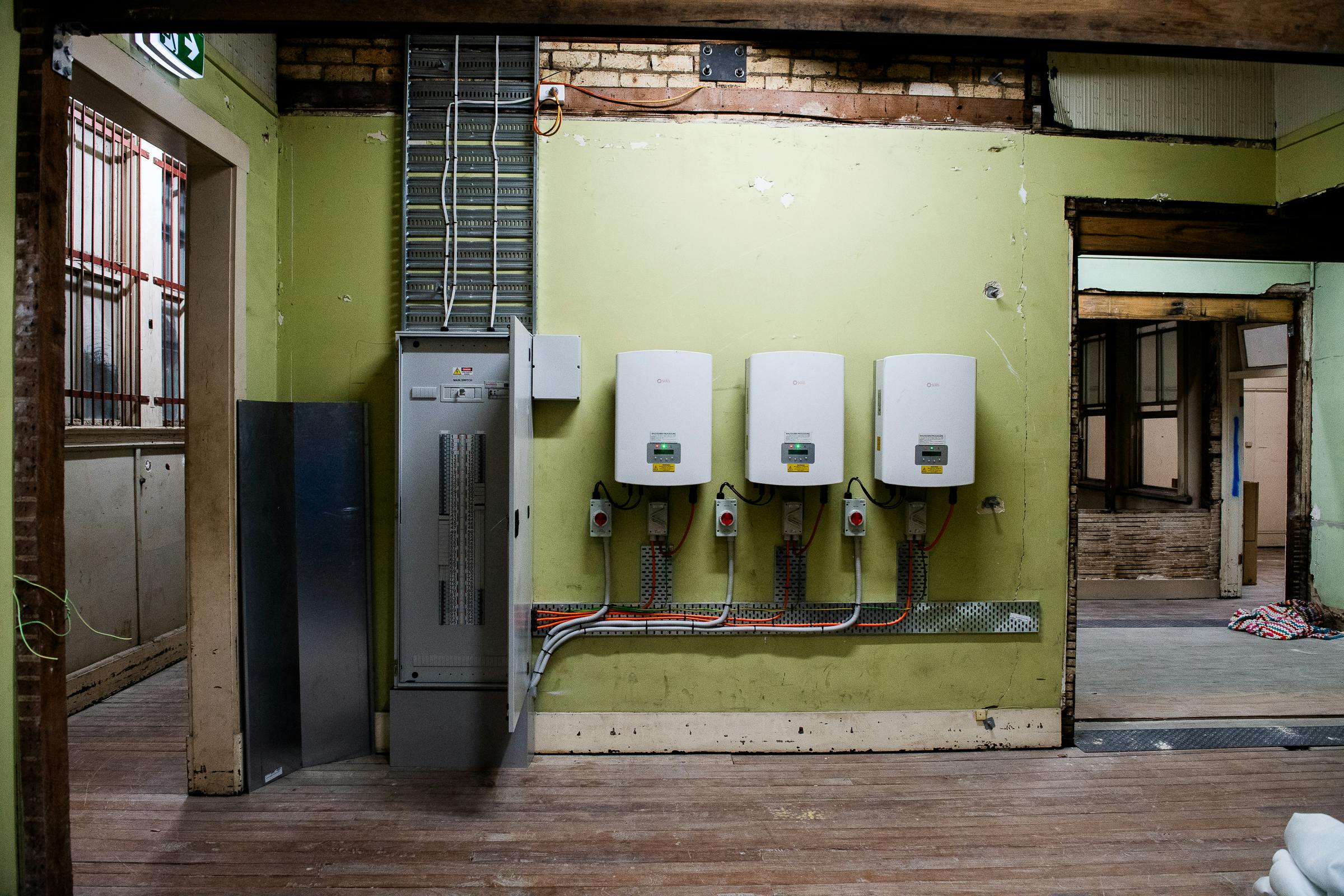
The interior building at Cummings in Molesworth Street during reconstruction. Photo by Elise Derwin.
Case studies: Four short films
These short films showcase what businesses and organisations can do for themselves.

Elton Cummings, General Manager of the Cummings Appliances, Furniture and Bedding.
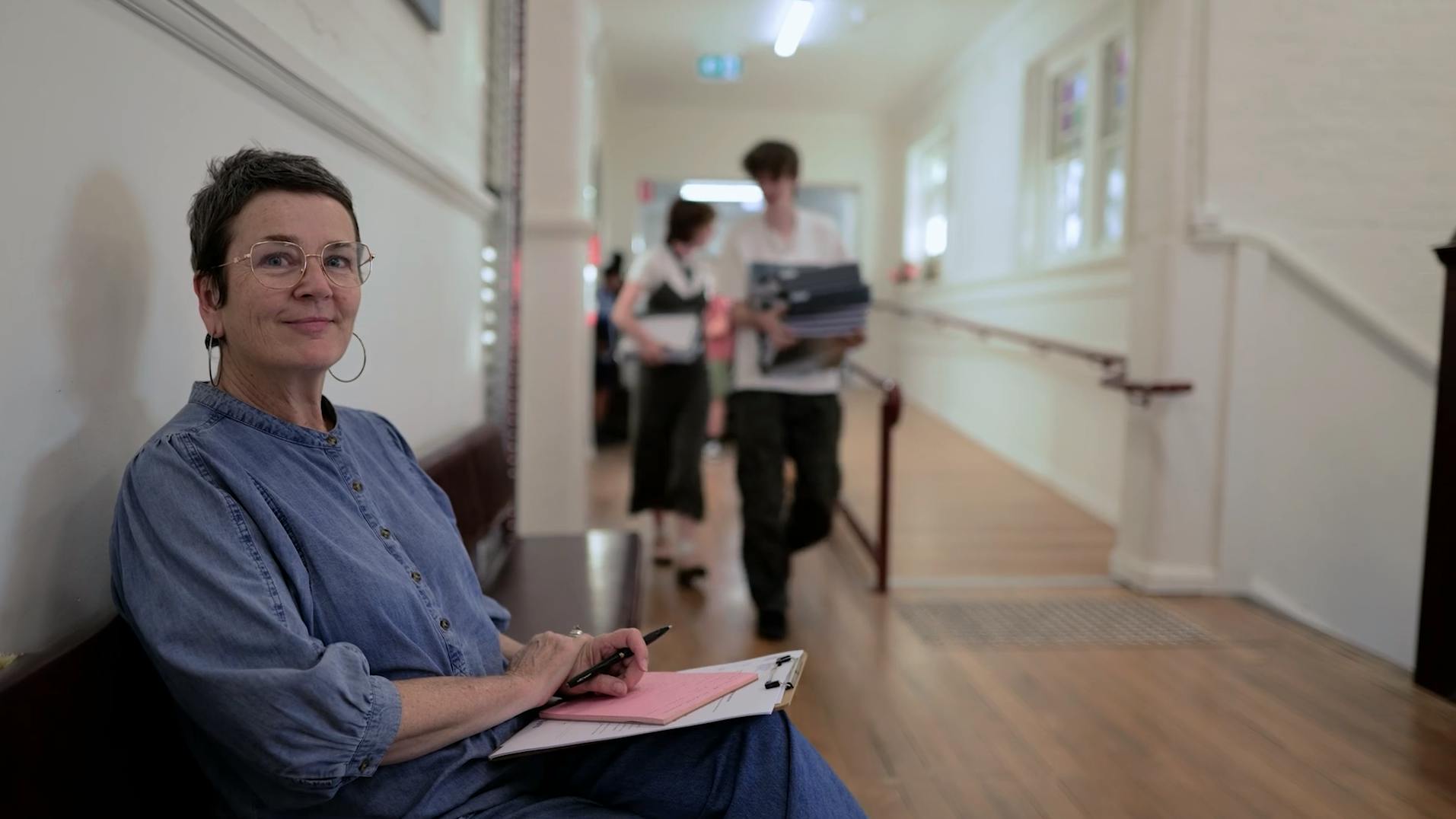
Anita Bellman, Executive Director of the Northern Rivers Conservatorium

Bruce Parry, Community and Sustainability Manager at Summerland Bank.
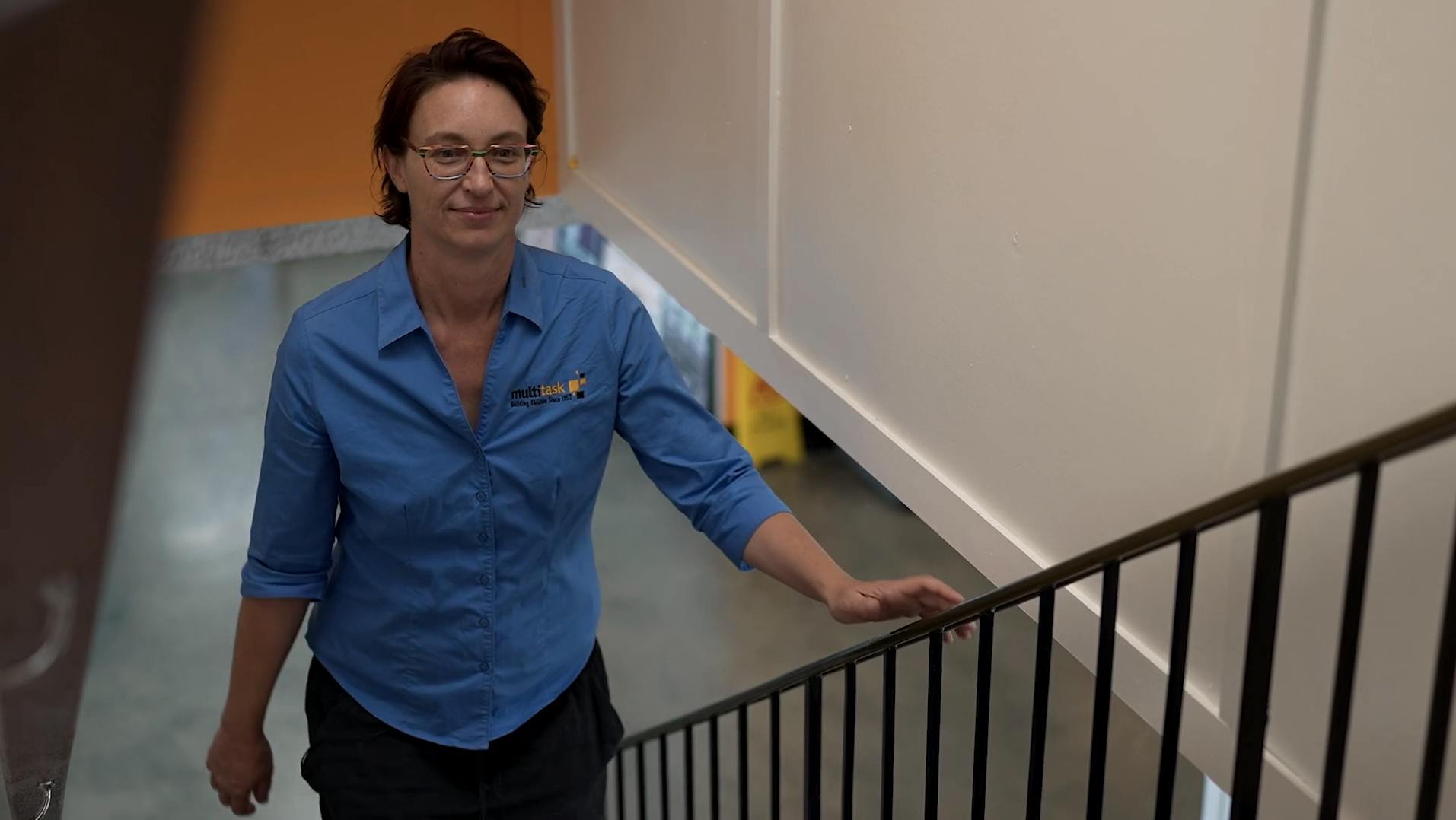
Jody Cheetham, CEO of Multitask
An interview with Anita Bellman, Executive Director of the Northern Rivers Conservatorium.
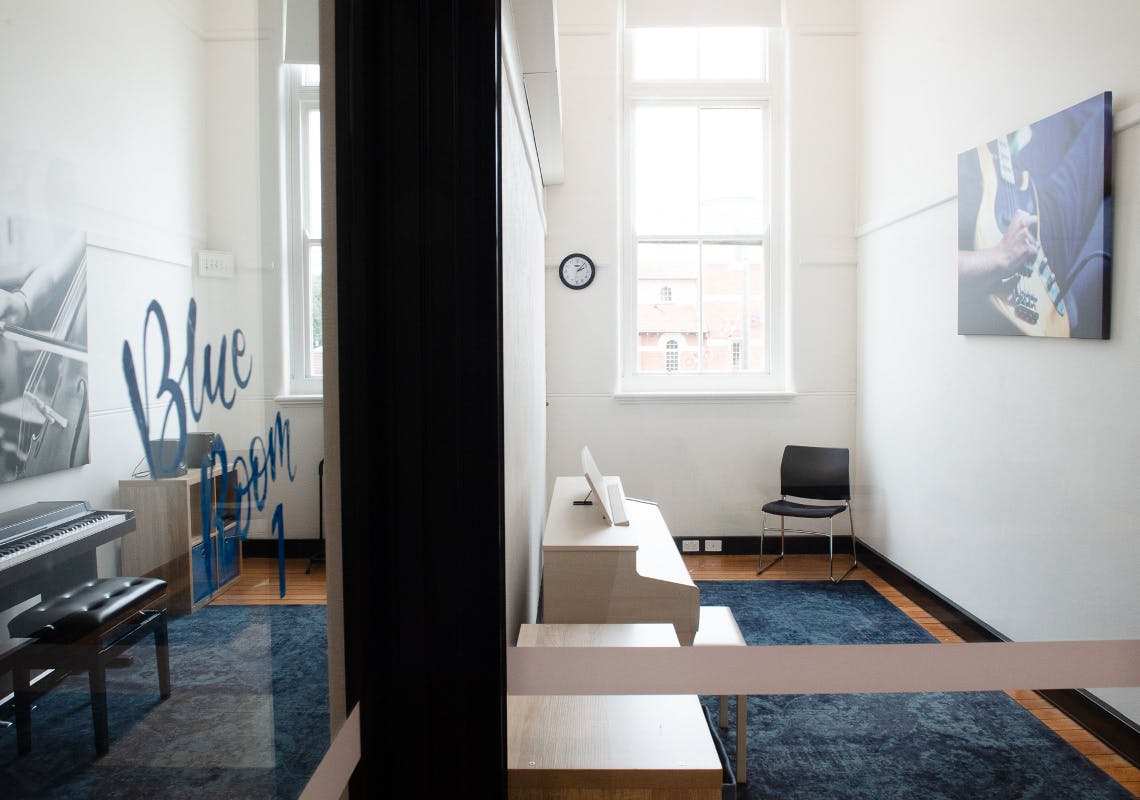
Anita reflects on the role of music in bringing the community together and the decision to stay and rebuild in Lismore — adapting a much-loved heritage building with waterproof materials, resilient design and new systems to protect instruments and ensure the Conservatorium can continue to serve the community through future floods.
"We felt it was important that the Conservatorium show its faith in Lismore. It’s very much a place for people to belong."
Watch her film below.
An interview with Elton Cummings, General Manager of the Cummings Appliances, Furniture and Bedding.
Elton reflects on losing everything in the floods and rebuilding from the ground up — redesigning his Lismore business with removable fittings, flood-ready materials and elevated services so future floods can be cleaned up quickly, reducing damage and downtime.
“We put a plan in place. We worked to the plan. It was successful.”
Watch his film below.
An interview with Jody Cheetham, CEO of Multitask.
Jody shares why staying embedded in Lismore is essential to delivering disability services, and how the organisation rebuilt its facilities to be flood-ready — elevating power, stripping back to sealed brick, installing stainless-steel kitchens and rehearsing evacuation drills so future floods can be managed quickly, safely and with minimal disruption.
"You need to be in with the community."
Watch her film below.
An interview with Bruce Parry, Community and Sustainability Manager at Summerland Bank.
Bruce explains why the bank chose to stay on Molesworth Street and rebuild differently — redesigning its Lismore branch with waterproof materials, removable fixtures and adaptive systems so it can withstand future floods while continuing to serve the community safely and reliably.
"We can't eliminate the risk, but we can minimise the impact."
Watch his film below.
Six recommendations
These six recommendations emerged from the codesign workshop held with Lismore businesses and service providers, Lismore City Council representatives, and NSW Reconstruction Authority staff. These can be implemented individually or in combination, in any order. Each increases resilience on its own; together they provide comprehensive support.
Workshop participants strongly emphasised that government must prioritise key infrastructure issues, like reliable early warning systems and uninterrupted power supply. These improvements enable businesses to prepare for, respond to and recover from flood events with less reliance on external resources (labour and money).
Some businesses can implement through coordination and knowledge-sharing; others require government investment.
1. Storage and flood logistics
Use vacant land acquired through the buyback program to create shared, flood-resilient infrastructure close to the CBD—secure trailer parking, mobile storage hubs, and staging areas for rapid evacuation and recovery.
2. Information, coordination and early warning
Strengthen existing flood warning systems and link them to business-specific preparedness plans. Businesses want clear rainfall thresholds and river heights as action triggers, delivered through channels they already use and trust.
3. Power resilience
Provide businesses with access to power during critical early recovery hours through solar generation, battery storage, and mobile backup systems. This enables businesses to begin clean-up and recovery immediately rather than waiting weeks for grid restoration.
4. High ground refuge
Create accessible higher-ground facilities that enable business continuity during flood events, complementing rather than replacing the existing CBD.
5. Flood resilient fitouts
Accelerate uptake of retrofits that reduce damage and shorten recovery time. Businesses need both accessible guidance about what works for different business types and funding support framed as long-term loss mitigation.
6. Sharing flood readiness plans
Promote peer-to-peer learning across the CBD. This could include voluntary "flood-ready" signage for businesses with solid plans, supported by accessible checklists and case studies that help others develop their own strategies.
Workshop participants strongly emphasised that reliable early warning systems and uninterrupted power supply are prerequisites that enable everything else. These infrastructure improvements reduce businesses' dependence on external support for flood preparation, response and recovery.
Explore the outcomes of this project in more detail.
Lessons for other communities
The three resilience themes and six recommendations provide a framework applicable to any flood-affected community. While specific solutions will vary by context, the fundamental insight is universal: communities working together to share knowledge, experiences and costs build resilience more effectively than any single business can alone.
Lismore's CBD currently supports 4,300 businesses and 26,000 jobs. These businesses are already implementing these strategies and preparing for the next flood. What they need now is investment in the shared infrastructure that makes community-led innovation viable long-term.
Header image: Retrofitted flood-resilient music rooms at the Northern Rivers Conservatorium. Photo by Elise Derwin.