I know how to get more people into houses
SHORT READ
by Elizabeth Mossop
Academic Director, Living Lab Northern Rivers +
Professor of Urban Resilience at UTS
With political attention finally on the housing crisis, there are many schemes aimed at making housing more available and addressing supply issues. But the current solutions are largely predicated on providing more dwellings using our existing rather slow and expensive methods.
There are a number of policy changes that could make it easier for people to access homes – for example, much-needed tax reform could help to re-set the housing landscape to “housing as shelter” instead of “housing as investment”. But what can we do right now to get more people more access to home ownership before 2030?
We need to look outside “business as usual” to find more effective solutions. The post-disaster landscape of the Northern Rivers has proved fertile ground for the exploration of alternative strategies.
Since 2022, Living Lab Northern Rivers (a think tank for increased disaster resilience) has engaged with communities across the region on all aspects of housing. There is a broad consensus; from developers and builders, to people who lost their homes, to banks and community housing groups, all are keen to explore new ways to get more people into homes.
Regional business leader Simon Stahl (CEO of the Casino Food Company), says, “We all see the problem first-hand in our region and with our kids. We’ve got to find a way to cut through; from government support, to less red tape, changing regulations and coming up with innovative ideas.”
We also know that people are ready for new kinds of housing. Sadly, when people are living in caravans, garages, and other people’s living rooms, they have proved that they can be flexible and open to change. In talking to people about housing, they continually express interest in town houses, co-housing, intergenerational housing, apartments, tiny homes, shared facilities, and any kind of housing that would be available to them in a way they could afford.
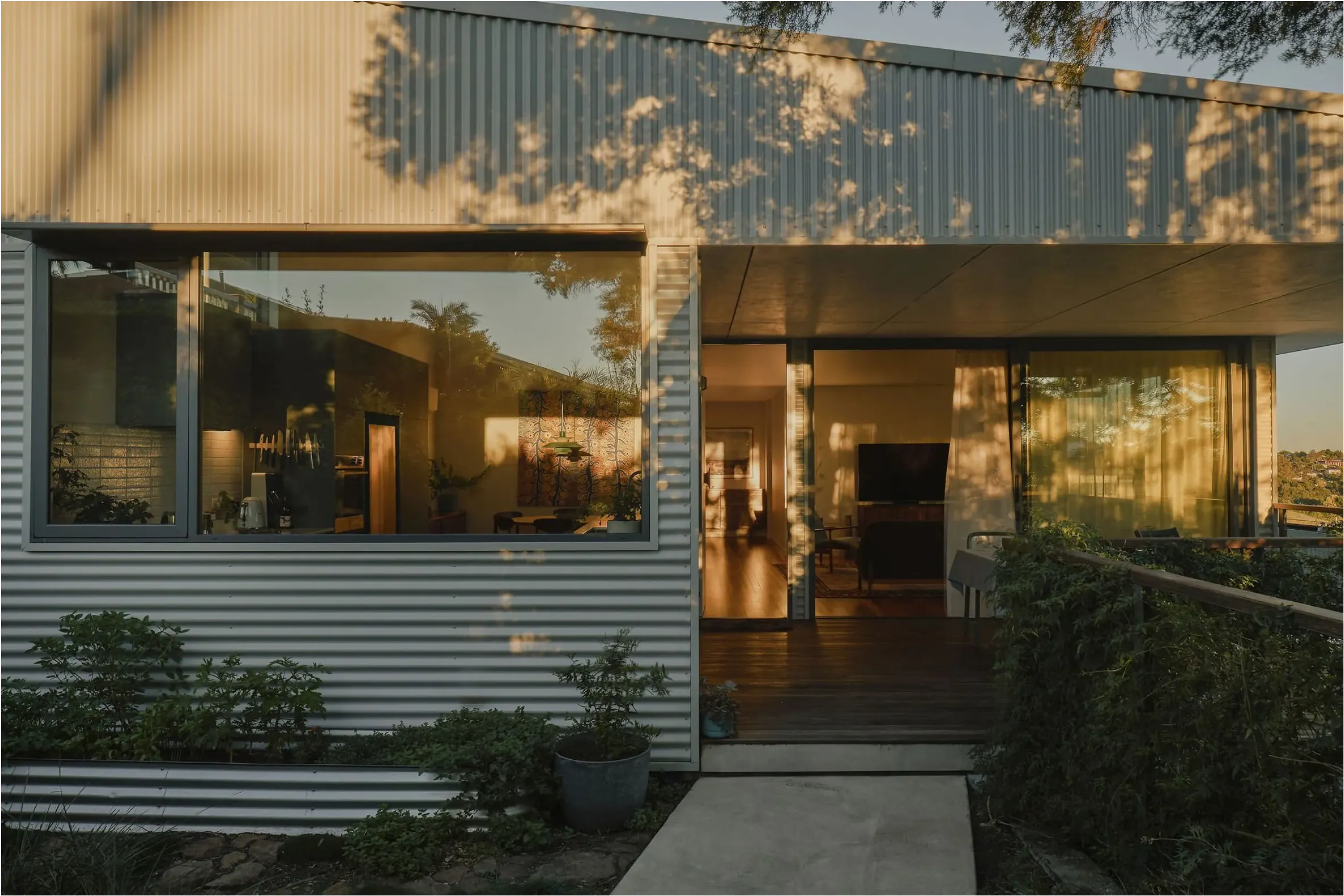
One of the award-winning Goonellabah Houses, designed by architect Sara Pearson. Photo by Andy McPherson.
Our investigations in the Northern Rivers have shown there are only a few things to be done that would genuinely make housing cost less in the short term: reduce approvals time, make houses cost less to build, change how housing finance works, or get help from philanthropists and non-profit developers.
Anyone who has been through a DA approval process or engaged with the NSW Planning Portal knows the pain, cost and time involved. In post-wildfire Los Angeles, local pattern books of houses pre-approved for construction have reduced approval time from up to 12 months to less than four weeks. This in itself would be a game-changer, and as well as the time savings, pattern books can also build in local character, disaster resilience and electrification.
Reducing the cost of building houses is almost impossible and the crisis in the Middle East is showing us once again how volatile materials and construction costs are. There is, however, one thing that can be done now. We can radically reduce the size of houses. We currently build the largest houses in the world and could manage with houses of half that size. Good spatial design can provide much smaller, more efficient homes that provide great quality of life, and building footprints can also be reduced by using shared facilities like laundries, party rooms, workshops, guest accommodation, vegetable gardens, bicycle and car parking.
Architect Sara Pearson has just won the NSW Regional Architecture Award for Multiple Housing for her beautiful Goonellabah Houses in Lismore. Each dwelling is three bedrooms, two bathrooms, and at 113 metres square, is less than half the size of the average new house built in Australia.
Allowing new forms of mortgages is another way that the financial burden on new home owners can be reduced. One option being explored is to award mortgages to functionally complete, but unfinished, new homes that still meet National Construction Code and occupancy certification requirements. If home owners could use their own sweat equity to complete finishes and fixtures on houses over time, the mortgage amount and construction time could both be significantly reduced. Another option is to allow groups of individuals to share mortgages, allowing non-traditional family groups to share the cost of a mortgage, potentially reducing the quantum from say $600,000 to $150,000, or from a million dollars to $350,000.
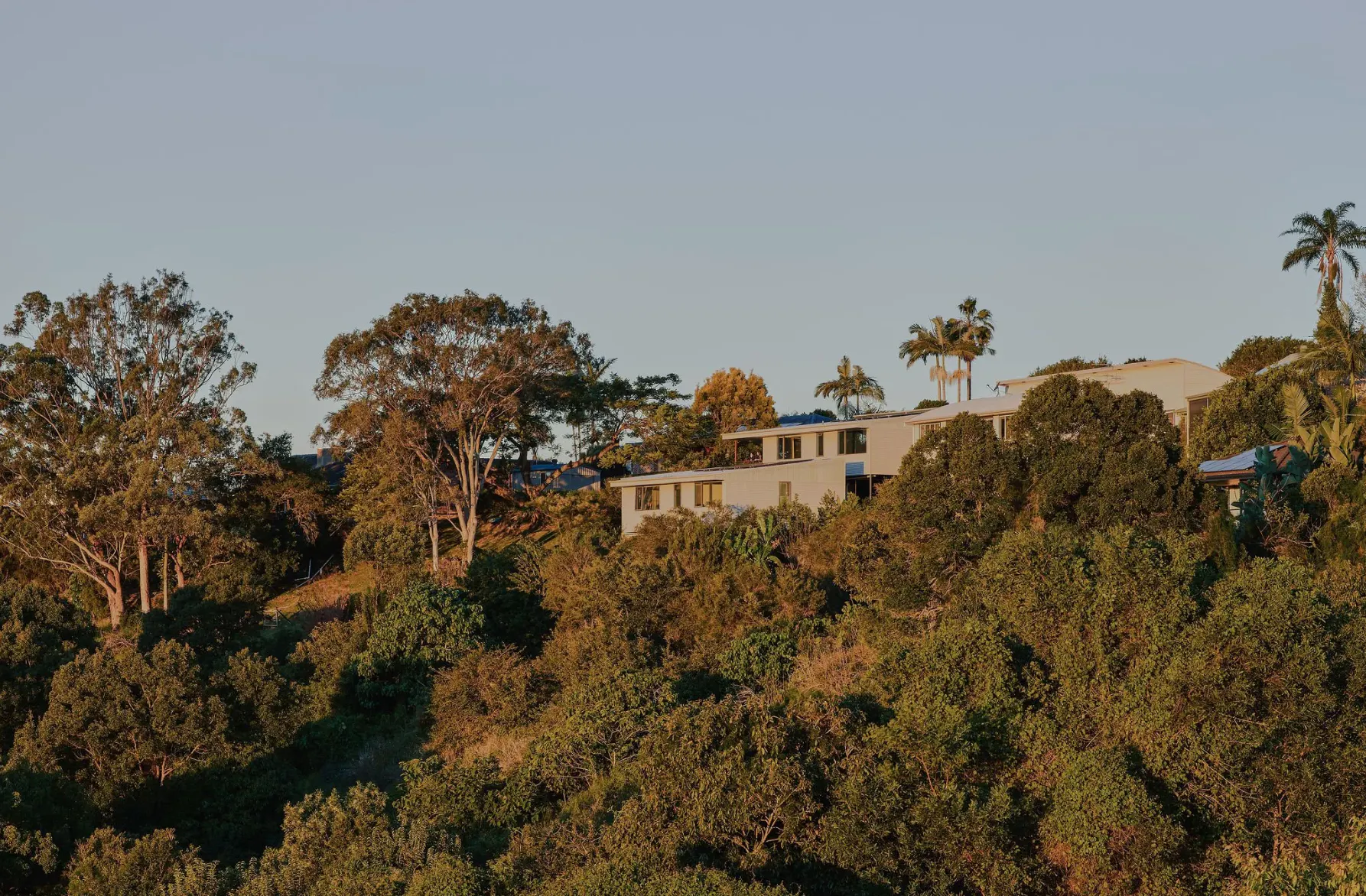
The Goonellabah Houses, single storey homes that demonstrate compact planning on a sloping site. Designed by architect Sara Pearson. Photo by Andy McPherson.
This work is already happening in the Northern Rivers with the regional Summerland Bank. CEO John Williams says: “We are currently engaged with developers to explore both of these options to ease the burden on housing affordability and accessibility. It is important for banks to explore responsible lending options to make a meaningful contribution in addressing Australia’s housing issues.”
There is one significant housing development in East Lismore that Landcom is currently developing for the Reconstruction Authority where they are currently testing a number of these ideas: small footprint homes, modern methods of construction and new financing options. If the innovation in this project can be realised it will show the potential of these strategies.
Finally, another viable strategy is to focus on building major capacity within the community and non-profit housing development sector. Regional providers such as Northern Rivers Housing are already delivering small, relatively inexpensive dwellings, in some instances working with modular and prefabricated construction. Access to land and support to drive scale could really jump start housing numbers as well as allowing more flexibility in dwelling types. The opportunity is there to build on the work already being done by organisations that already understand the communities and are uniquely placed to deliver low-cost housing effectively.
As we all know, housing affordability is going backwards. Unless we can bring the costs of housing down significantly, there is still a very large group of people who will be unable to access the housing they need, even if there were more houses. For example, in the new Bays Precinct in Sydney’s inner west, it is estimated one-bedroom apartments will cost two million dollars, well out of the reach of the vast majority of wage earners.
While we wait for the potential of better long-term policy to kick in, these are all strategies that could come into play quickly with support from government and policymakers. Whereas simply increasing housing supply will not make that new housing accessible to the people who need it most because they will not be able to afford it. The Northern Rivers, with its crying need for new housing could be a showcase for new ways of doing things that could work anywhere and be implemented now to bring housing costs down.
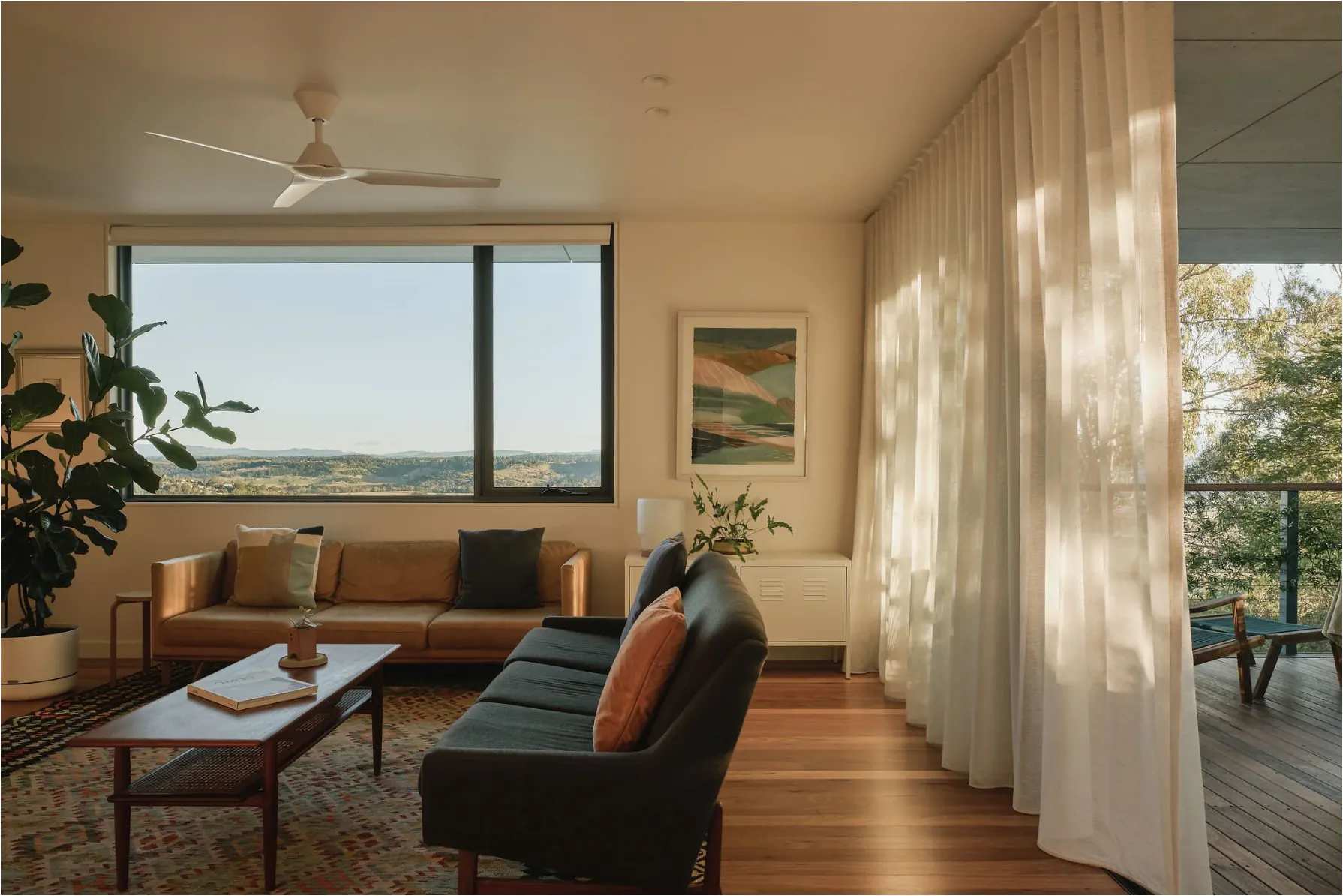
The single storey houses double the density of housing in an established regional neighbourhood without compromising privacy or amenity. Photo by Andy McPherson.